

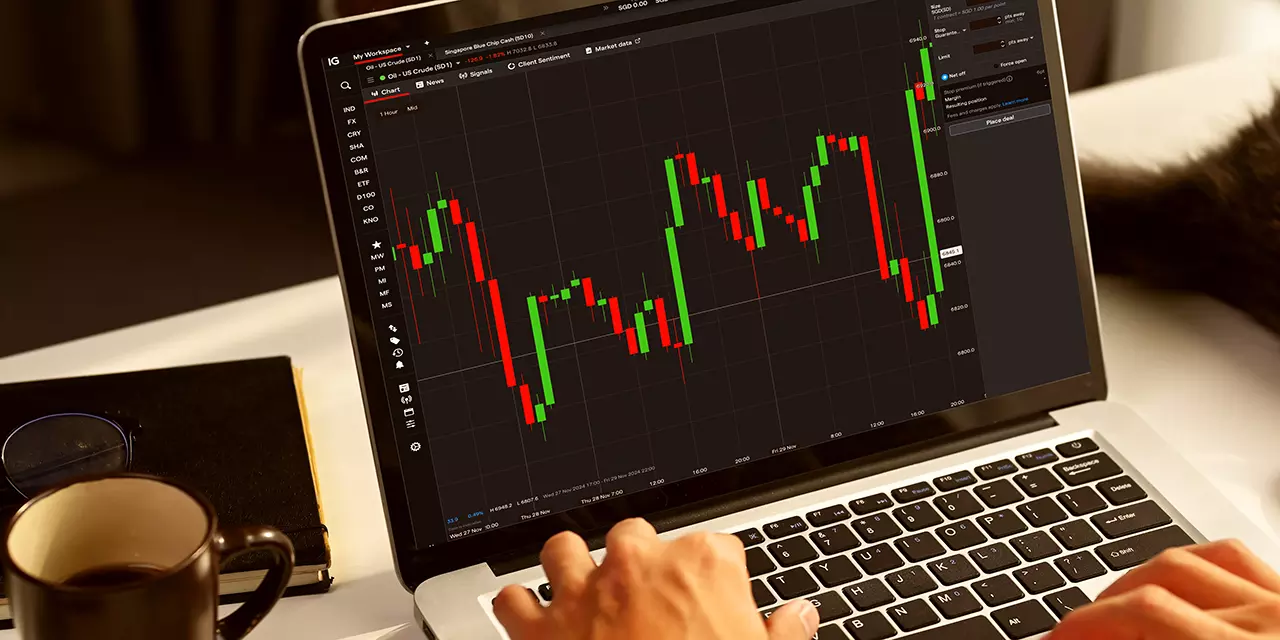
Entering the futures markets can be both exciting and intimidating, especially for beginners. With complex instruments, high leverage, and rapid market movements, it is essential to approach trading methodically. Understanding Futures Prop Firms and what is paper trading can provide the foundational skills necessary to navigate these markets effectively. This article explores how prop firms operate, why paper trading is crucial for skill development, and how beginners can combine both to build confidence and competence in futures trading.
What Are Futures Prop Firms?
Futures Prop Firms, or proprietary trading firms, are organizations that provide traders with capital to trade futures contracts on their behalf. Unlike traditional brokers, prop firms allow traders to use firm capital rather than personal funds, often offering advanced platforms, training, and risk management tools.
Key features of Futures Prop Firms include:
- Access to Capital: Traders can control larger positions than they could with personal funds, allowing them to capitalize on more opportunities.
- Risk Management Frameworks: Prop firms often enforce daily loss limits, position sizing rules, and margin requirements to protect capital.
- Advanced Trading Platforms: Members typically gain access to professional-grade platforms with real-time data, charting tools, and execution features.
- Education and Mentorship: Many prop firms provide structured training, webinars, and mentoring programs to help traders refine strategies.
These features make prop firms especially attractive for beginners looking to develop trading skills without risking large amounts of personal capital.
What Is Paper Trading?
Paper trading is a simulated form of trading that allows traders to practice entering and exiting positions using virtual funds. It mirrors real market conditions but without the risk of financial loss.
Benefits of paper trading include:
- Risk-Free Learning: Beginners can make mistakes and learn from them without losing money.
- Strategy Testing: Traders can experiment with different approaches and refine their techniques.
- Market Familiarity: Exposure to market movements, order types, and technical indicators enhances practical understanding.
- Confidence Building: Simulating real trades helps traders feel prepared when transitioning to live accounts.
Understanding what is paper trading is crucial because it bridges the gap between theory and real-world execution, particularly for those considering trading with prop firm capital.
How Prop Firms and Paper Trading Complement Each Other
Combining Futures Prop Firms with paper trading provides a structured learning path for beginners. Here’s how:
1. Skill Development Before Risking Capital
Paper trading allows traders to practice strategies in a controlled environment. This ensures that when they start trading with a prop firm’s capital, they already have the foundational skills to make informed decisions.
2. Understanding Platform Features
Prop firms often use advanced trading platforms. Paper trading provides a risk-free way to become familiar with the tools, order types, and analytics before executing real trades.
3. Risk Management Practice
By simulating trades, beginners can practice position sizing, stop-loss placement, and risk-reward ratios. This experience is invaluable when transitioning to trading with prop firm capital, where adhering to risk limits is mandatory.
4. Strategy Testing and Refinement
Paper trading allows traders to experiment with trend-following, breakout, and mean-reversion strategies. Successful strategies can then be implemented on a prop firm account with confidence.
Steps for Beginners to Maximize Learning
To effectively leverage Futures Prop Firms and paper trading, beginners can follow a structured approach:
Step 1: Start With Paper Trading
Begin by simulating trades using virtual funds. Focus on understanding the mechanics of futures contracts, including margin, leverage, and contract specifications.
Step 2: Track Performance
Maintain a trading journal to record entries, exits, rationale, and results. Analyze successes and failures to identify patterns and areas for improvement.
Step 3: Gradually Introduce Risk
Once confident with paper trading, consider joining a prop firm to access real capital. Start small and adhere strictly to the firm’s risk management rules.
Step 4: Continuously Refine Strategies
Even with live capital, continue to use paper trading to test new ideas or tweak existing strategies without jeopardizing funds.
Step 5: Learn From Mentorship
Take advantage of any educational resources and mentorship programs offered by prop firms. Guidance from experienced traders accelerates skill development and helps avoid common mistakes.
Advantages of Using Prop Firms and Paper Trading Together
Using Futures Prop Firms in combination with paper trading offers several key advantages for beginners:
- Enhanced Learning Curve: Simulation and mentorship allow faster skill acquisition.
- Reduced Psychological Pressure: Paper trading builds confidence, reducing emotional trading mistakes.
- Access to Professional Tools: Familiarity with advanced platforms improves efficiency and trade execution.
- Controlled Risk Exposure: Prop firms’ risk frameworks combined with practice in a simulated environment protect both the trader and the firm’s capital.
This dual approach allows beginners to develop a disciplined, structured, and strategic approach to futures trading.
Conclusion
For beginners, understanding Futures Prop Firms and what is paper trading is essential to building a successful career in futures trading. Prop firms provide the capital, tools, and guidance needed to participate in professional-level trading, while paper trading offers a safe environment to develop strategies, practice risk management, and gain confidence.
By combining these two resources, beginners can bridge the gap between theory and practice, accelerate learning, and prepare to trade futures effectively and responsibly. This structured approach minimizes risk, reinforces discipline, and establishes a strong foundation for long-term success in the dynamic world of futures trading.