

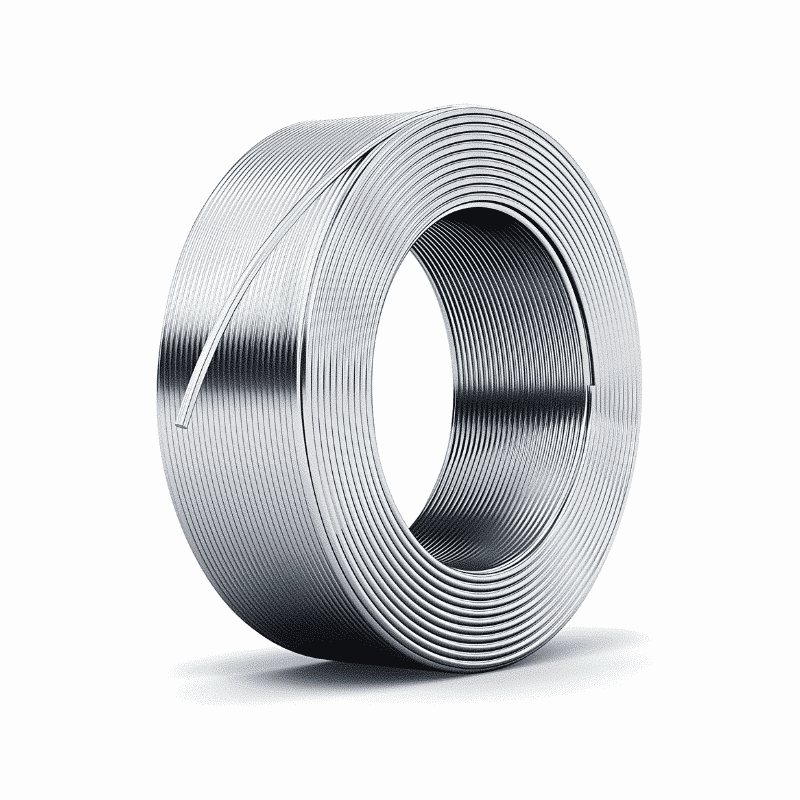
The aerospace manufacture is one of the most dynamic and stimulating sectors in manufacturing, requiring the highest standards of preciseness, safety, and public presentation. Among the various materials used in the macrocosm of aircraft and spacecraft, atomic number 13 has emerged as a cornerstone due to its of dismount weight, effectiveness, and durability. As the for more fuel-efficient, sustainable, and high-performing aerospace technologies grows, premium Premiumalu MANUFACTURERs play a polar role in providing groundbreaking solutions to meet these challenges.
The Role of Aluminum in Aerospace
Aluminum s dominance in aerospace applications comes from its unusual combination of properties. Lightweight yet fresh, it offers the hone poise for both morphologic components and various other aircraft parts. It can withstand extreme temperatures and pressures, while its underground to is essential for long-lasting dependability in aerospace environments. These properties make atomic number 13 an requisite material for components such as fuselages, wings, engine parts, and more.
However, as the aerospace manufacture evolves, so too must the stuff solutions that meet the progressive demands for greater , sustainability, and performance. Premium ALUMINUM MANUFACTURERs are merging these evolving needs by development high-tech alloys, processing techniques, and designs that push the boundaries of orthodox Al applications.
Advanced Alloys for Aerospace Applications
One of the most considerable innovations from insurance premium ALUMINUM MANUFACTURERs is the development of hi-tech Al alloys. These alloys often combine Al with such as copper, Mg, Mn, and atomic number 14 to raise specific properties such as strength, thermal conductivity, or underground to wear upon. These alloys are crafted to do in the tight environments of aerospace.
For example, aluminium-lithium alloys are one of the most innovative developments in aerospace aluminium. These alloys are even igniter than traditional aluminum alloys, offer slant nest egg without compromising effectiveness or durability. The reduced slant translates direct into fuel , an requirement factor out for airlines seeking to lour operational and tighten emissions. Aluminum-lithium alloys also demonstrate master tire out underground and can be used in high-stress components, such as aircraft wings or fuselage panels, which want the level best dependableness.
Innovative Manufacturing Techniques
Aluminum manufacturers have also made substantial strides in forward the techniques used to work on atomic number 13 for aerospace applications. Traditional methods like molding, wheeling, and forging have been increased through posit-of-the-art technologies, such as bilinear manufacturing and precision machining, which have opened up new possibilities for both plan and public presentation.
Additive Manufacturing(3D Printing):
One of the most groundbreaking advancements in aerospace manufacturing is the practical application of bilinear manufacturing, normally known as 3D printing process. This applied science allows for the product of extremely and optimized parts with intricate geometries that were previously unsufferable to create using traditional methods. Premium ALUMINUM MANUFACTURERs have embraced 3D printing to produce whippersnapper components that meet demand specifications for potency and enduringness while minimizing stuff waste.
The use of 3D printing for Al alloys in aerospace has revolutionized the way manufacturers go about the design and product of parts. Engineers can now make parts that are not only stronger and ignitor but also more effective to make, with less scrap stuff and shorter lead times.
Advanced Heat Treatment:
Heat handling is another material vista of atomic number 13 processing that has seen design in Recent geezerhood. Advanced heat treatment techniques are used to meliorate the physics properties of aluminum alloys, qualification them more right for the extreme conditions ground in aerospace environments. These processes, such as solution heat treating, aging, and annealing, aluminum parts to exhibit increased strength, flexibility, and weary resistance, all vital for ensuring the refuge and performance of aircraft and ballistic capsule.
Sustainability and Eco-Friendly Innovations
As the world focuses more on sustainability, aerospace manufacturers are increasingly prioritizing the reduction of their carbon footmark. Premium ALUMINUM MANUFACTURERs are rising to this take exception by direction on the recycling and reuse of aluminium. Recycling Al not only conserve raw materials but also significantly reduces the energy required in product compared to primary quill atomic number 13 production.
Aluminum is one of the most recycled materials globally, and manufacturers in the aerospace sphere are pickings advantage of this fact. By employing hi-tech recycling techniques, these manufacturers can reuse high-performance alloys in new parts without compromising their properties. This not only reduces state of affairs impact but also lowers , qualification it an attractive choice for aerospace companies strain for both sustainability and efficiency.
Furthermore, innovations in aluminium production, such as the use of inexhaustible vim sources in smelting and alloying processes, put up to more eco-friendly manufacturing practices. Aluminum manufacturers are increasingly orientating their practices with the world-wide push toward reducing carbon emissions and minimizing environmental damage.
Collaboration with Aerospace Designers and Engineers
Premium ALUMINUM MANUFACTURERs are not merely suppliers of materials; they are requirement partners in the aerospace design and technology process. By working intimately with aerospace designers and engineers, manufacturers can insure that their atomic number 13 solutions are tailored to meet the stern standards required by the manufacture. From the early stages of plan to final examination product, ALUMINUM MANUFACTURERs cater worthy insights into stuff survival of the fittest, public presentation characteristics, and potency cost-saving measures.
This collaboration often leads to usage solutions, such as tailor-made alloys or particular processing techniques, that heighten the overall public presentation of the end production. Whether it s a jackanapes airframe, fuel-efficient component, or highly spirited wing social system, the synergism between ALUMINUM MANUFACTURERs and aerospace engineers is some of the most stimulating advancements in Bodoni aviation.
Conclusion
The aerospace industry s pursuit of greater efficiency, public presentation, and sustainability relies to a great extent on the innovations provided by premium ALUMINUM MANUFACTURERs. Through the development of sophisticated atomic number 13 alloys, thinning-edge manufacturing techniques, and a commitment to sustainability, these manufacturers are push the boundaries of what is possible in aerospace materials.
As applied science continues to germinate, the partnership between aerospace engineers and ALUMINUM MANUFACTURERs will become even more material. Together, they will pave the way for the next generation of aircraft and spacecraft safer, more efficient, and environmentally amicable than ever before. With continued conception, insurance premium ALUMINUM MANUFACTURERs will stay at the forefront of shaping the time to come of aerospace engineering science.