

In today’s fast-paced fashion world, it’s easy to accumulate more clothing than we actually need. Many of us have closets filled with unused or unwanted female cloths, some still in great condition, while others may have worn out over time.
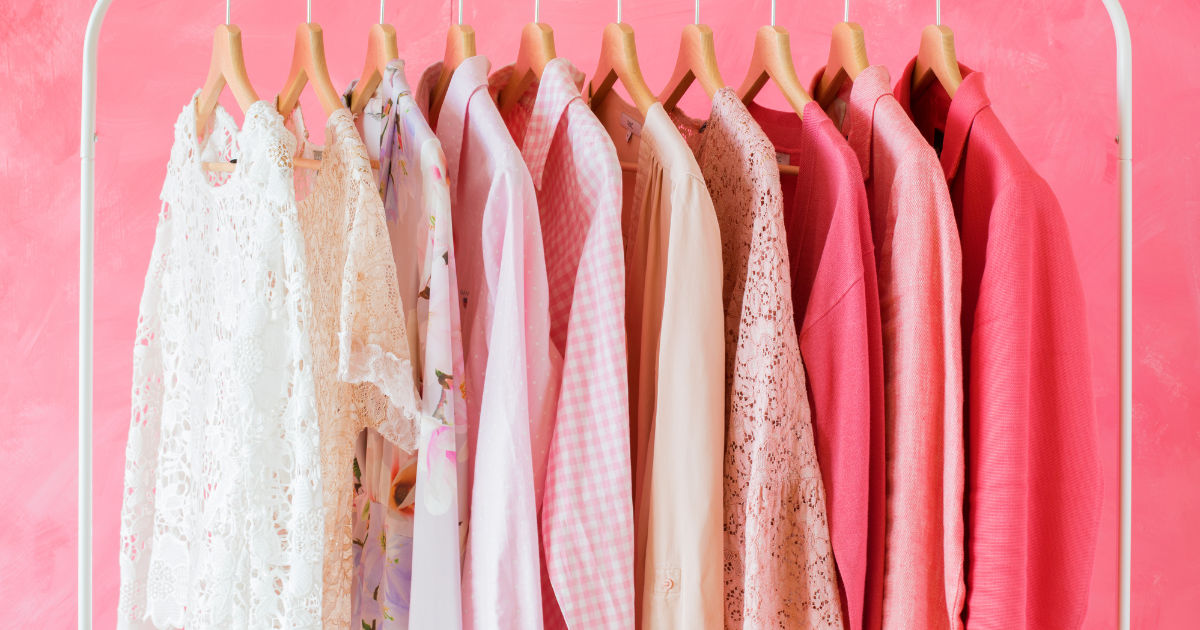
Donating or recycling these items is not only a responsible way to declutter your wardrobe, but it also helps the environment and supports communities in need.
In this comprehensive guide, we will explore practical steps and tips on how to donate or recycle your unwanted female cloths effectively.
Why Donating or Recycling Female Clothes Matters
Before diving into the “how,” it’s important to understand the “why.” Donating or recycling your female cloths benefits both people and the planet.
-
Environmental Impact
The fashion industry is one of the largest polluters in the world. Fast fashion produces a significant amount of textile waste, and most of it ends up in landfills. By donating or recycling your female cloths, you can reduce landfill waste and minimize the environmental footprint of clothing production. -
Helping Those in Need
Many people cannot afford new clothing. Donating your gently used female cloths can provide someone with essential garments they might not otherwise have access to. Charities, shelters, and community organizations rely heavily on donations to support families, women in crisis, and underprivileged communities. -
Promotes Conscious Consumerism
Sorting through your female cloths and deciding which to keep, donate, or recycle encourages mindful shopping habits. It helps you make better choices in the future and reduces unnecessary consumption.
Step 1: Sorting Your Female Clothes
The first step in donating or recycling is sorting. Go through your wardrobe carefully and categorize your female cloths into three main groups:
-
Wearable Clothes for Donation
These are items in good condition without stains, tears, or heavy wear. Examples include dresses, skirts, blouses, coats, shoes, and accessories. -
Damaged Clothes for Recycling
If your female cloths are torn, stained beyond repair, or worn out, they should be directed towards textile recycling programs instead of donation. -
Items to Keep
Some clothes may hold sentimental value or still be in regular use. Keep only the items you truly wear or love.
Sorting your wardrobe carefully ensures that donations are useful and recyclables are properly managed.
Step 2: Preparing Clothes for Donation
Once you’ve sorted your female cloths, preparation is key. Donors often overlook this step, but it makes a significant difference.
-
Clean Your Clothes
Always wash or dry clean your female cloths before donating. Clean items are more likely to be accepted by charities and are respectful to the recipients. -
Check for Damage
Inspect your female cloths for missing buttons, broken zippers, or small holes. While minor repairs can be done by the organization, it’s best to donate items in wearable condition. -
Fold or Hang Properly
Neatly folded or hung clothes show care and make it easier for recipients to browse. Avoid cramming clothes into bags haphazardly. -
Bundle Accessories and Shoes Separately
Shoes, belts, and bags should be cleaned and packed separately from clothes. Some organizations may not accept used shoes, so check their requirements in advance.
Step 3: Finding the Right Donation Outlet
Choosing the right place to donate your female cloths ensures they reach those who need them most. Here are some options:
-
Charity Shops
Organizations like Goodwill, Salvation Army, or local thrift stores accept donations of female cloths and resell them at affordable prices. Proceeds often fund community programs. -
Shelters and Nonprofits
Women’s shelters, domestic violence centers, and community centers frequently accept clothing donations, especially for women in crisis. Your female cloths can make a tangible difference for someone starting over. -
School or Community Drives
Schools, religious organizations, and community groups sometimes host clothing drives. These drives collect female cloths for local families in need. -
Online Platforms
Websites and apps allow you to give away your female cloths to people directly. Apps like Freecycle, Facebook Marketplace, or local community forums connect donors with recipients quickly.
Before donating, always confirm the organization’s requirements. Some charities only accept certain types of female cloths, and some may have restrictions on used shoes or undergarments.
Step 4: Recycling Female Clothes
Not all female cloths are suitable for donation. Some may be too worn out, damaged, or stained. In these cases, recycling is the most sustainable option.
-
Textile Recycling Centers
Many cities have textile recycling facilities that accept worn-out female cloths. These centers convert old textiles into cleaning rags, insulation, or even new fibers for clothing. -
Retailer Take-Back Programs
Several clothing brands have recycling programs. Stores like H&M, Levi’s, and The North Face allow customers to drop off unwanted female cloths, regardless of the brand, for proper recycling. -
Upcycling Projects
If you’re creative, consider upcycling old female cloths into new items. Turn worn-out dresses into tote bags, rags, or patchwork quilts. Upcycling not only reduces waste but also creates unique, functional items. -
Composting Natural Fibers
Clothes made from natural fibers like cotton, linen, or wool can sometimes be composted if they are not treated with synthetic dyes. This option is suitable for extremely worn-out female cloths that cannot be reused.
Step 5: How to Make Your Donation Count
To maximize the impact of your female cloths donation, consider these tips:
-
Seasonal Donations
Donate clothes appropriate for the season. Winter coats in January and summer dresses in July are more likely to be used immediately. -
Include Essential Items
Basic essentials like socks, underwear, and bras are often in high demand. Check if the organization accepts these items before donating. -
Donate in Bulk
Smaller donations are helpful, but bulk donations reduce processing costs for charities and increase the benefit to recipients. -
Share Your Story
Encourage friends and family to donate their female cloths as well. Organizing a small clothing drive can have a big impact on the community.
Step 6: Safety and Hygiene Tips
When handling female cloths for donation or recycling, consider hygiene and safety:
-
Wash and Dry Thoroughly
Even lightly worn clothes should be washed or dry-cleaned. This reduces the risk of spreading germs. -
Use Clean Bags or Boxes
Avoid using dirty or torn plastic bags. Instead, pack female cloths in clean boxes or reusable bags for transport. -
Label Clearly
If donating multiple items, label boxes or bags by type (e.g., shirts, pants, shoes). This makes distribution easier for charity staff. -
Avoid Damaged Items for Donation
Torn or stained clothes can be hazardous to handle and are often rejected. Keep them for recycling instead.
Step 7: Encouraging Sustainable Clothing Habits
Donating or recycling your female cloths is only part of the solution. Sustainable habits help prevent future excess:
-
Shop Mindfully
Buy only what you need and focus on high-quality, long-lasting female cloths rather than fast fashion items. -
Organize Your Wardrobe Regularly
Decluttering every few months prevents the accumulation of unused clothes and makes donating easier. -
Repair Instead of Replace
Simple repairs like sewing buttons, patching holes, or altering fit can extend the life of your female cloths. -
Support Sustainable Brands
Choose brands committed to eco-friendly practices, like using organic fibers, reducing waste, and offering recycling programs. -
Host Clothing Swaps
Swap clothes with friends or communities. It’s a fun way to refresh your wardrobe while giving your female cloths a second life.
Common Mistakes to Avoid
Even with the best intentions, some mistakes can limit the impact of your female cloths donations:
-
Donating Dirty or Damaged Clothes
Always clean your clothes and ensure they are in wearable condition. -
Ignoring Local Guidelines
Different organizations have different needs and restrictions. Check in advance. -
Overlooking Recycling Options
Damaged female cloths should not go to landfill. Explore recycling or upcycling opportunities. -
Procrastinating
Clothes left in storage often lose their usefulness. Donate or recycle promptly. -
Failing to Track Impact
If you want to make a difference, document what you donate. This can inspire others and help organizations plan better.
Additional Tips for Donating Female Clothes
-
Donate Seasonal Items in Advance: Winter coats, sweaters, or rain jackets should be donated ahead of the season to ensure recipients can use them immediately.
-
Bundle Similar Items: Group shirts, pants, or skirts together for easier handling by charities.
-
Consider Special Occasions: Formal dresses or professional attire can be highly valuable to those seeking employment or attending interviews.
-
Include Extras Thoughtfully: Scarves, gloves, and hats add value, especially in colder climates.
Conclusion
Donating or recycling unwanted female cloths is more than just clearing space in your wardrobe. It’s a powerful way to make a positive environmental and social impact. By sorting, cleaning, and choosing the right donation or recycling outlet, your unused clothes can serve a new purpose, whether it’s providing warmth, supporting a woman in need, or contributing to sustainable textile production.
The process is straightforward and rewarding. Start by sorting your female cloths, identify items for donation or recycling, and follow the practical tips outlined in this guide. Remember, even small contributions matter. Each garment you donate or recycle helps reduce textile waste, supports communities, and promotes a culture of conscious consumption.
Take the time today to make a difference. Your old female cloths can have a lasting impact far beyond your closet. Embrace the opportunity to help others and protect the environment while refreshing your wardrobe.
Start now, and make your unused clothes a source of hope and sustainability.