

Removing tree stumps is a critical part of maintaining a clean, safe, and visually appealing outdoor space. Whether you’re a homeowner, landscaper, or property manager, understanding the depth achieved during standard stump grinding is crucial for proper land management.
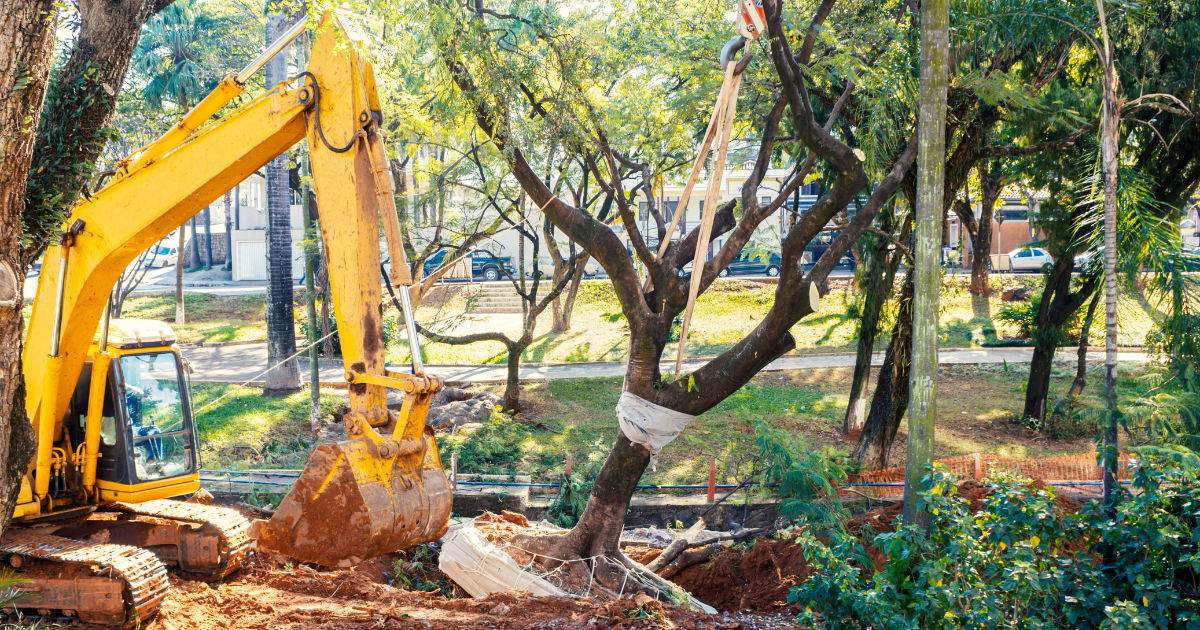
Stump grinding is an efficient method for eliminating leftover tree trunks, allowing for new landscaping, lawn installation, or construction projects. In this comprehensive guide, we will explore the stump grinding process, factors affecting the depth achieved, and best practices for homeowners and professionals alike.
This guide is also useful for anyone in tree pruning canberra, providing practical insights into tree and stump maintenance.
Understanding Stump Grinding
Stump grinding is the process of mechanically removing a tree stump from the ground after a tree has been cut down. Unlike tree removal, which involves cutting down the entire tree, stump grinding focuses solely on the remaining base of the tree. Specialized equipment called stump grinders is used to grind the stump into small wood chips, which can either be left on-site as mulch or removed.
The process not only improves aesthetics but also eliminates hazards such as tripping, pests, and regrowth. Moreover, stump grinding ensures that the land is ready for new construction or landscaping without dealing with stubborn roots.
Standard Stump Grinding Depth
One of the most common questions homeowners and landscapers ask is: what depth is achieved during standard stump grinding?
Typically, standard stump grinding removes the stump 4 to 12 inches below the soil surface. This depth is usually sufficient to prevent the stump from regrowing and to prepare the ground for new planting, paving, or other landscaping projects. However, the depth achieved can vary depending on the type of stump grinder, tree species, soil condition, and the surrounding landscape.
Minimum Grinding Depth
The minimum depth, usually around 4 inches below ground level, is generally applied when aesthetics are the primary concern. Grinding the stump slightly below the surface removes the visible trunk but may leave larger roots intact. This depth is often adequate for small trees and shrubs.
Standard Grinding Depth
A typical grinding depth for most stump removal projects ranges from 6 to 12 inches below ground level. This is the standard depth achieved by most commercial stump grinders. This range ensures that the main stump is eliminated and reduces the risk of the tree sprouting new growth.
Maximum Grinding Depth
Some advanced stump grinders can reach depths of 18 to 24 inches, especially when dealing with large trees or stumps with extensive root systems. Grinding to this depth is often necessary for properties that require full removal for construction, new planting, or landscaping projects that demand a smooth, stable surface.
Factors Affecting Stump Grinding Depth
While standard depths provide a guideline, several factors influence how deep a stump grinder can go. Understanding these factors can help homeowners and landscapers in tree pruning canberra make informed decisions.
Type of Stump Grinder
There are different types of stump grinders available in the market, including hand-held, walk-behind, and ride-on grinders.
-
Hand-held grinders are usually small and designed for light-duty work. They typically achieve a depth of up to 6 inches below ground.
-
Walk-behind grinders are medium-sized machines suitable for residential and small commercial projects. They generally reach depths of 12 inches below ground.
-
Ride-on grinders are heavy-duty machines used for large stumps and commercial properties. They can reach depths of 18 to 24 inches or more.
The type of machine directly affects the depth and efficiency of the stump grinding process.
Tree Species and Size
Different tree species have varying root structures, which can impact grinding depth. Hardwoods such as oak, maple, and hickory have dense, deep root systems, requiring deeper grinding. Softwoods like pine or poplar have shallower roots, which are easier to grind to standard depths.
The size of the stump also matters. Large stumps with thick trunks often require multiple passes to reach the desired depth. Conversely, smaller stumps can be ground quickly and efficiently.
Soil Conditions
Soil type and moisture content play a significant role in stump grinding.
-
Loamy or sandy soil is easier to grind and allows for deeper stump removal.
-
Clay-heavy soil can be tough and may limit grinding depth due to its density.
-
Rocky soil can obstruct grinders and reduce the achievable depth.
Wet soil can also affect machine performance and operator safety, potentially limiting the depth reached.
Root System Complexity
Some trees develop extensive lateral roots that spread far beyond the stump. Standard stump grinding usually targets the central stump and the largest roots but may not remove all lateral roots. In cases where full root removal is necessary, additional excavation may be required.
Operator Skill and Experience
The experience of the operator is a crucial factor. Skilled operators can achieve optimal depth while minimizing damage to surrounding areas. Poorly executed grinding can leave large root chunks behind, which may regrow or interfere with future landscaping.
Stump Grinding Process
Understanding the standard stump grinding process can help clarify why certain depths are achieved.
-
Assessment
The first step involves assessing the size of the stump, tree species, root structure, and soil type. This helps determine the right equipment and grinding depth. -
Equipment Setup
After assessment, the appropriate stump grinder is chosen. The grinder is positioned over the stump, and safety precautions are implemented, including protective gear and securing the surrounding area. -
Grinding
The grinding wheel is lowered onto the stump, and the operator moves the machine back and forth. Multiple passes are made to grind the stump below ground level. -
Depth Control
The operator carefully controls the grinder to achieve the desired depth, typically between 4 and 12 inches for standard projects. Advanced grinders allow deeper penetration if required. -
Finishing
Once the stump is ground to the desired depth, the remaining wood chips can be used as mulch or removed from the site. The area may then be leveled and prepared for new landscaping.
Benefits of Achieving Proper Stump Grinding Depth
Proper stump grinding depth provides several benefits:
-
Prevents Regrowth: Grinding stumps below ground level prevents trees from sprouting new shoots, which is especially important for invasive species.
-
Improves Safety: Eliminating stumps reduces tripping hazards for pedestrians and pets.
-
Enhances Aesthetics: A smooth, level ground is visually appealing and prepares the area for new landscaping or construction.
-
Reduces Pest Infestation: Stumps left above ground attract insects, fungi, and rodents. Proper depth minimizes these risks.
-
Facilitates Landscaping: Properly ground stumps allow for planting, turf installation, or other landscaping projects without obstruction.
Limitations of Standard Stump Grinding
Despite its benefits, standard stump grinding has some limitations:
-
Incomplete Root Removal: While the stump is removed, many lateral roots remain underground. These may decay over time but can sometimes interfere with underground utilities or new planting.
-
Depth Restrictions: Not all grinders can achieve maximum depth due to machine limitations or soil conditions.
-
Cost and Effort: Deep stump grinding may require more passes and labor, increasing cost.
-
Environmental Considerations: Grinding generates wood chips and dust, which may require cleanup.
Alternatives for Deeper Stump Removal
For cases where standard stump grinding is insufficient, several alternatives can achieve greater depth:
-
Excavation: Physically digging out the stump and roots is the most thorough method but requires heavy machinery.
-
Chemical Stump Removal: Chemicals accelerate stump decomposition, allowing for deeper penetration over time.
-
Combination Methods: Using stump grinding followed by excavation or chemical treatment can provide complete removal.
Stump Grinding and Landscaping Integration
Stump grinding is not just about removal; it also integrates seamlessly into overall landscaping strategies. For those in tree pruning canberra, combining stump grinding with tree pruning ensures a healthy, balanced landscape. After stump removal, the area can be replanted with new trees, shrubs, or turf.
Replanting After Stump Grinding
After grinding a stump to a standard depth, the ground may need to be leveled. Adding soil or compost over the stump area ensures proper planting conditions. It's important to consider that leftover roots may affect planting depth and soil stability.
Mulching and Soil Enrichment
Wood chips produced from stump grinding can be repurposed as mulch. Mulch retains soil moisture, reduces weed growth, and enriches the soil as it decomposes. For tree pruning canberra, using stump chips as mulch helps maintain a healthy, nutrient-rich environment for remaining trees.
Hardscape Considerations
If you plan to install patios, pathways, or decks after stump removal, ensure that the stump is ground deeply enough. Standard depths of 6 to 12 inches are usually sufficient, but large trees may require deeper grinding to ensure stability.
Safety Considerations During Stump Grinding
Safety is paramount during stump grinding. Here are key precautions:
-
Always wear protective equipment, including goggles, gloves, and ear protection.
-
Keep children and pets away from the grinding area.
-
Inspect the stump and surrounding area for rocks, wires, or other debris that could damage equipment or cause injury.
-
Follow manufacturer guidelines for operating the stump grinder.
-
Ensure proper ventilation if working in enclosed areas, as grinding produces dust and wood particles.
Choosing the Right Stump Grinder
Selecting the appropriate stump grinder is essential for achieving the desired depth:
-
Small Residential Jobs: Hand-held or small walk-behind grinders suffice.
-
Medium Residential/Commercial Jobs: Larger walk-behind grinders provide deeper grinding and efficiency.
-
Large Commercial/Industrial Jobs: Ride-on grinders offer maximum depth and speed for large stumps.
Consulting professionals in tree pruning canberra can help ensure that the correct equipment is used for your project.
Cost Implications of Stump Grinding Depth
The depth of stump grinding affects the overall cost:
-
Shallow Grinding (4-6 inches): Lower cost, suitable for aesthetic purposes.
-
Standard Depth (6-12 inches): Moderate cost, effective for most residential landscaping.
-
Deep Grinding (12-24 inches): Higher cost due to increased labor and equipment use.
Additional costs may include disposal of wood chips, soil replenishment, or excavation if deeper root removal is needed.
Conclusion
Understanding the depth achieved during standard stump grinding is essential for anyone dealing with tree removal and land management. Standard stump grinding typically reaches 4 to 12 inches below the soil surface, which is sufficient for most residential and commercial applications. However, factors such as tree species, stump size, soil conditions, root complexity, and equipment type can influence the achievable depth.
For homeowners and landscapers in tree pruning canberra, proper stump grinding offers numerous benefits, including safety, aesthetics, prevention of regrowth, and integration into landscaping projects. While there are limitations, alternative methods such as excavation or chemical treatments can ensure complete stump and root removal.
Whether you are preparing a garden, installing a new patio, or managing a commercial property, understanding stump grinding depth helps ensure that your land remains safe, functional, and visually appealing. By following proper procedures, using the right equipment, and consulting experienced professionals, stump grinding can be a highly effective and efficient solution for removing unwanted tree stumps.
Properly ground stumps create a foundation for new growth, safe pathways, and beautiful landscapes. With this knowledge, homeowners and landscapers can approach stump grinding confidently, knowing the depth achieved will meet their project needs.