

When people talk about fashion, they often focus on fabric, color, or design. However, one of the most powerful elements that decides how an outfit truly looks is tailoring. From everyday wear to luxury clothing like bridal pakistani suits, tailoring plays a major role in how fabric falls, flows, and moves with the body.
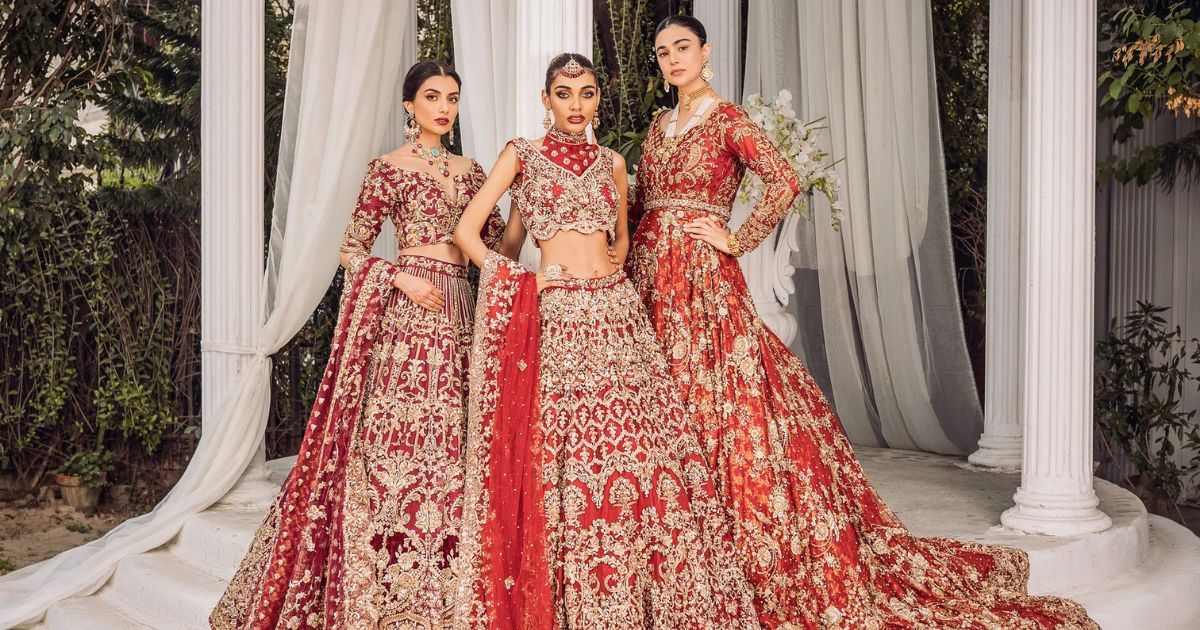
The “fall” of an outfit refers to how the fabric drapes from the shoulders, waist, and hips, and how it behaves when you stand, walk, or sit.
In this comprehensive guide, we will explore how tailoring changes the fall of an outfit in detail. We will explain the basics in simple language, discuss why tailoring matters, and show how proper fitting can completely transform garments such as bridal pakistani suits. This guide is written for easy understanding and short attention spans, while still going deep into the subject.
Fall of an Outfit
The fall of an outfit is how the fabric hangs on the body. It depends on gravity, fabric weight, and how the garment is stitched. Even the most expensive fabric can look dull if the fall is poor.
Tailoring controls where the fabric clings and where it flows freely. In well-made clothing, the fabric follows the natural shape of the body without pulling or sagging. This is especially important in formal wear and bridal pakistani suits, where elegance depends heavily on graceful drape.
A good fall creates smooth lines. A bad fall creates wrinkles, bunching, or stiffness.
Why Tailoring Is More Important Than Fabric Alone
Many people think expensive fabric automatically means a great outfit. This is not always true. Without correct tailoring, even premium fabric can look awkward.
Tailoring adjusts the garment to fit the body’s proportions. Every person has a unique body shape. Ready-made outfits are stitched using standard measurements, which rarely suit everyone perfectly.
In the case of bridal pakistani suits, tailoring becomes even more critical. These outfits are worn on very special occasions, and every detail matters. A slight mistake in fitting can ruin the entire look.
The Role of Body Measurements in Tailoring
Proper tailoring starts with accurate measurements. These measurements guide the tailor in shaping the garment.
Key measurements include shoulders, bust, waist, hips, arm length, and overall length. When these are taken correctly, the outfit falls naturally.
If measurements are even slightly off, the fall changes. Too tight, and the fabric pulls. Too loose, and the outfit looks shapeless. For bridal pakistani suits, precise measurements help maintain balance between heavy embroidery and flowing fabric.
How Stitching Techniques Affect Fabric Flow
Stitching is not just about joining pieces of fabric. It decides how the fabric behaves.
Certain stitches allow flexibility, while others create structure. Darts, seams, and pleats are used to guide fabric over curves. These small details strongly influence the fall.
In bridal pakistani suits, expert stitching helps heavy dupattas, lehengas, and long shirts fall smoothly without looking bulky. Skilled tailors know how to support weight while keeping grace.
The Impact of Shoulder Fitting on the Fall
Shoulders are the foundation of any outfit. If the shoulders do not fit properly, the entire garment suffers.
A good shoulder fit allows the fabric to hang straight down. A poor fit causes the outfit to tilt or wrinkle.
In long formal outfits and bridal pakistani suits, shoulder fitting becomes crucial because it controls the drape of long panels and dupattas. Clean shoulders mean a cleaner fall overall.
Waist Shaping and Its Effect on Drape
The waist is where most shaping happens. Tailoring at the waist defines the silhouette.
When the waist is properly fitted, the fabric above and below it falls better. It avoids ballooning or clinging.
In bridal pakistani suits, waist shaping helps balance heavy embroidery on the top with flowy bottoms. This balance improves comfort and appearance.
Sleeve Tailoring and Movement
Sleeves affect both comfort and fall. Poorly stitched sleeves restrict movement and create folds.
Tailored sleeves follow the natural arm shape. They allow easy movement and smooth lines.
For bridal pakistani suits, sleeves often have embellishments. Proper tailoring ensures that these details sit correctly and do not distort the fall of the fabric.
Length Adjustments and Visual Balance
Length is a major factor in how an outfit looks. Too long, and it drags. Too short, and it looks incomplete.
Tailoring adjusts length according to height and footwear. This helps the outfit fall evenly.
In bridal pakistani suits, length is especially important because these outfits often have layers. Correct length keeps the overall look neat and balanced.
How Linings Improve the Fall of the Outfit
Lining is the inner fabric that supports the outer layer. It adds structure and improves comfort.
A good lining helps the outfit glide over the body. It prevents transparency and reduces wrinkles.
Most high-quality bridal pakistani suits use proper lining to support heavy fabrics and embroidery. This improves the fall and enhances durability.
The Effect of Fabric Weight and Tailoring Together
Fabric weight alone does not decide the fall. Tailoring works with fabric weight to create the desired effect.
Light fabrics need precise tailoring to avoid looking flimsy. Heavy fabrics need careful shaping to avoid stiffness.
In bridal pakistani suits, heavy fabrics like velvet or silk require expert tailoring to maintain elegance while supporting weight.
Custom Tailoring vs Ready-Made Outfits
Ready-made outfits are convenient, but they rarely offer perfect fit. Custom tailoring adjusts the garment to your body.
Custom tailoring improves the fall because it considers posture, height, and personal style.
For bridal pakistani suits, custom tailoring is almost always preferred. It ensures the outfit looks flawless from every angle.
Tailoring for Different Body Types
Every body type needs a different approach. Tailoring helps highlight strengths and hide flaws.
For example, tailoring can create the illusion of height or slimness. It can also add volume where needed.
In bridal pakistani suits, tailoring is used to create royal silhouettes that suit the bride’s body type while maintaining tradition.
How Alterations Can Change the Fall
Alterations are adjustments made after stitching. These small changes can greatly improve the fall.
Common alterations include taking in seams, adjusting hems, or reshaping sleeves.
Many people get bridal pakistani suits altered after final fittings. These changes refine the drape and ensure perfection on the big day.
The Role of Experience in Tailoring
An experienced tailor understands fabric behavior. They know how different materials respond to stitching.
Experience helps in predicting how the outfit will fall after wear. This is very important for formal outfits.
When it comes to bridal pakistani suits, experienced tailors are invaluable. They know how to handle delicate fabrics and heavy designs.
Tailoring and Comfort Go Hand in Hand
Good tailoring is not only about looks. It also affects comfort.
An outfit that falls well allows easy movement. It does not pinch or restrict.
Comfort is essential in bridal pakistani suits, as these outfits are worn for long hours. Proper tailoring ensures the bride feels at ease.
Cultural Importance of Tailoring in Pakistani Fashion
Tailoring has deep roots in Pakistani fashion. Traditional outfits rely heavily on hand stitching and custom fitting.
The elegance of bridal pakistani suits comes from a blend of cultural design and expert tailoring. This combination creates timeless beauty.
Modern Tailoring Trends and the Fall of Outfits
Modern tailoring uses advanced techniques and tools. These improve accuracy and consistency.
Today’s tailors combine traditional skills with modern methods to enhance the fall of outfits.
This fusion is clearly seen in modern bridal pakistani suits, where classic styles meet contemporary fitting.
Common Tailoring Mistakes That Ruin the Fall
Some common mistakes include poor measurements, rushed stitching, and ignoring fabric type.
These mistakes cause pulling, uneven hems, and awkward drape.
Avoiding these errors is especially important for bridal pakistani suits, where there is no room for compromise.
How to Communicate with Your Tailor
Clear communication helps achieve the desired fall. Share your preferences and concerns.
Try the outfit during fittings and give honest feedback.
This is very helpful when getting bridal pakistani suits tailored, as multiple fittings are usually required.
Final Thoughts on Tailoring and Outfit Fall
Tailoring is the silent force behind a beautiful outfit. It shapes the fabric, defines the silhouette, and controls the fall.
Without proper tailoring, even the most stunning designs fail to impress. With expert tailoring, simple outfits can look extraordinary.
This is why bridal pakistani suits receive so much attention during stitching. Their beauty depends not just on design, but on how gracefully they fall.
Conclusion
Tailoring is not just a finishing step; it is the backbone of how an outfit looks and feels. The fall of an outfit depends on accurate measurements, skilled stitching, proper fabric handling, and thoughtful design adjustments. From shoulders to hems, every tailored detail affects how fabric flows on the body.
In everyday clothing, good tailoring adds confidence and comfort. In luxury fashion and bridal pakistani suits, tailoring becomes essential. It ensures that heavy fabrics drape smoothly, embellishments sit perfectly, and the overall look remains balanced and elegant.
Understanding the importance of tailoring helps you make better fashion choices. Whether you are selecting casual wear or investing in bridal pakistani suits, never underestimate the power of a well-tailored outfit. A perfect fall is not an accident; it is the result of skill, patience, and craftsmanship.