

A leather jacket can be one of the most useful pieces in a winter wardrobe. It offers a strong outer layer, blocks much of the wind, and adds a timeless look to everyday outfits. 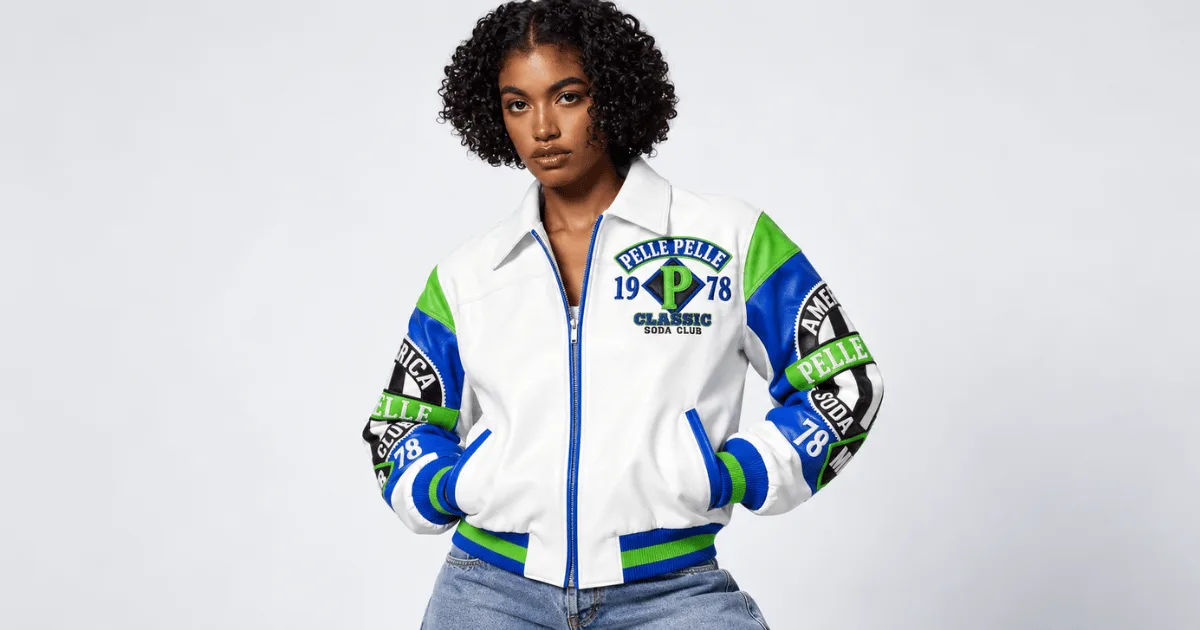 However, a leather jacket by itself is not always enough for genuinely cold weather. What you wear underneath it can make a major difference in comfort, warmth, and overall appearance.
Choosing the right layers is especially important when temperatures drop. A thin shirt may work during mild winter days, while a sweater, thermal layer, or fleece may be necessary when the weather becomes colder. The goal is to create warmth without making the jacket feel overly tight or restricting your movement.
Whether you are shopping at Pelle Pelle Store or styling a leather jacket you already own, understanding how to layer underneath it helps you get more use from the jacket throughout winter. The right combination can keep your upper body warm while still allowing the leather jacket to look structured and stylish.
Why What You Wear Under a Leather Jacket Matters
A leather jacket is an outer layer, but it is not automatically a complete winter outfit. Leather can provide excellent wind resistance, but warmth depends heavily on the jacket's thickness, lining, fit, and construction.
The layer underneath acts as an important part of your insulation system. It helps trap warm air close to your body and reduces heat loss.
Another important factor is comfort. If your jacket is worn over a bulky sweatshirt or several thick layers, your shoulders and arms may feel restricted. A good winter outfit should provide warmth without making the jacket difficult to move in.
This is why experienced winter dressers usually think about layers rather than simply choosing the thickest possible clothing.
Thermal Shirts for Maximum Warmth
Why Thermal Layers Work
A thermal shirt is one of the best choices to wear under a leather jacket during cold weather. Thermal clothing is designed to sit relatively close to the body while helping retain warmth.
Because it is usually thinner than a heavy sweater, a thermal layer does not add excessive bulk. This makes it particularly useful when your leather jacket has a slim or fitted cut.
A thermal top can also serve as the first layer beneath another shirt or sweater. This creates a practical three-layer system for particularly cold conditions.
Choosing the Right Thermal Material
Modern thermal shirts are available in materials such as merino wool, synthetic performance fabrics, and cotton blends. Merino wool is valued for warmth and moisture management, while synthetic materials can dry quickly and perform well during active use.
Avoid choosing an extremely thick thermal layer if your jacket already has substantial insulation. Too much material underneath can make the jacket uncomfortable.
T-Shirts for Mild Winter Weather
A simple T-shirt can work under a leather jacket when winter temperatures are cool rather than freezing.
This combination is especially practical for indoor-to-outdoor situations. You might spend much of the day inside heated buildings and only need additional protection when walking outdoors.
A fitted or regular-weight T-shirt generally works better than an oversized one. Excess fabric can bunch up underneath a leather jacket and affect its appearance.
For mild conditions, a T-shirt paired with a leather jacket and jeans can create a simple, classic outfit.
At Pelle Pelle Store, leather jackets can be styled in ways that work with both casual and layered winter outfits, depending on the jacket's construction and the surrounding weather.
Long-Sleeve Shirts for Everyday Winter Styling
A long-sleeve shirt is another practical option. It provides more coverage than a T-shirt without creating the bulk of a heavy sweater.
Cotton long-sleeve shirts work well for casual winter outfits. You can wear one under a leather jacket with jeans, chinos, or casual trousers.
For a smarter appearance, consider a fitted button-down shirt. A leather jacket over a button-down creates a balanced combination of rugged and polished style.
Flannel shirts are another excellent choice. Their thicker fabric provides additional warmth, while their casual texture works naturally with leather.
Sweaters Under Leather Jackets
Crew-Neck Sweaters
A crew-neck sweater is one of the easiest winter layers to combine with a leather jacket.
Choose a medium-weight sweater rather than an extremely chunky knit. The leather jacket should still have enough room through the chest, shoulders, and sleeves.
Neutral colors such as black, gray, navy, cream, and brown are easy to coordinate with most leather jackets.
V-Neck Sweaters
A V-neck sweater can create a slightly more refined appearance, particularly when worn over a collared shirt.
However, the neckline should not compete with the leather jacket's collar. Keeping the rest of the outfit simple usually produces the best result.
Wool Sweaters
Wool provides excellent insulation and is especially useful in colder conditions. A lightweight wool sweater can deliver substantial warmth without being excessively bulky.
If you are wearing a wool sweater beneath a leather jacket, check the jacket's arm and chest room before adding additional layers.
Hoodies Under Leather Jackets
A hoodie and leather jacket combination is popular because it combines warmth with a casual, modern appearance.
The hoodie provides insulation around the torso and neck, while the leather jacket adds wind protection and structure.
However, not every leather jacket works equally well with a hoodie. A very slim jacket may feel tight when worn over a thick hooded sweatshirt.
If you want to create this combination, look for a leather jacket with enough room for layering. A medium-weight hoodie is often easier to wear than an oversized one.
Pelle Pelle Store styling can also be approached with this layered aesthetic, particularly when the goal is a relaxed streetwear-inspired winter outfit.
Fleece Layers for Cold Conditions
Fleece is useful when you need warmth without the weight associated with some heavy sweaters.
A lightweight fleece pullover or fleece jacket can be worn under a larger leather jacket. It works particularly well for outdoor activities where warmth and freedom of movement are important.
Fleece is also useful because it can trap warm air while remaining relatively lightweight.
For very cold weather, consider wearing a thermal base layer beneath the fleece and then using the leather jacket as the outer shell.
Turtlenecks for a Stylish Winter Outfit
A turtleneck can make a leather jacket outfit look more sophisticated while also providing useful warmth around the neck.
This is particularly effective with simple leather jackets in black, brown, or dark shades.
A black leather jacket over a gray, cream, or black turtleneck creates a clean winter silhouette. You can pair it with dark trousers or jeans for a polished appearance.
The advantage of a turtleneck is that it reduces the need for a separate scarf in some situations. It creates additional coverage without adding another bulky accessory.
How to Layer Without Making the Jacket Too Tight
Start With a Thin Base Layer
The first layer should normally be relatively close to the body. A thermal shirt or lightweight long-sleeve shirt is ideal.
This layer manages warmth while keeping bulk under control.
Add One Main Insulating Layer
If the weather requires more warmth, add a sweater, fleece, or sweatshirt.
There is usually no need to pile several heavy layers underneath the leather jacket unless conditions are genuinely severe.
Check Your Range of Motion
After putting on all your layers, move your arms forward, backward, and overhead.
If the jacket pulls strongly across your shoulders or makes it difficult to bend your elbows, you probably have too much bulk underneath or the jacket itself is too fitted for your intended layering system.
Pelle Pelle Store shoppers and leather jacket owners should pay particular attention to sizing when they expect to wear sweaters and sweatshirts underneath their jackets.
What to Wear Under a Leather Jacket in Different Temperatures
Mild Winter Days
When temperatures are relatively comfortable, a T-shirt or lightweight long-sleeve shirt may be enough.
This keeps the outfit simple and prevents overheating indoors.
Cool Winter Days
For cooler weather, consider a long-sleeve shirt combined with a lightweight sweater.
This gives you two insulating layers without making the leather jacket overly bulky.
Very Cold Winter Days
When temperatures fall significantly, use a thermal base layer, medium-weight sweater, and leather jacket.
A scarf, gloves, warm socks, and appropriate footwear can provide additional protection because staying warm involves more than protecting your torso.
Freezing Outdoor Conditions
For freezing conditions or prolonged outdoor exposure, a leather jacket may not always be the best outer layer. A properly insulated winter coat designed specifically for extreme cold can provide more comprehensive protection.
Leather jackets are versatile, but they should not be treated as identical to technical winter parkas.
How Leather Jacket Fit Affects Layering
The fit of your leather jacket determines what you can comfortably wear underneath it.
A very close-fitting jacket may look sharp over a T-shirt but become uncomfortable over a sweater.
A slightly roomier jacket offers greater flexibility. This does not mean the jacket should look oversized. It simply needs enough space for the layers you normally wear.
Pay special attention to the shoulders. Shoulder seams that sit correctly are difficult to compensate for with layering.
Sleeve length is also important. If the sleeves are already tight, adding a thick sweater can make your arms feel restricted.
Best Colors to Wear Under a Leather Jacket
Color can change the overall appearance of your winter outfit.
Black leather jackets work with almost every neutral color. Gray, white, cream, navy, burgundy, and olive can all create attractive combinations.
Brown leather jackets work especially well with cream, beige, white, dark green, navy, and earth tones.
If the jacket has decorative details, logos, patches, or strong visual elements, keeping the underneath layer relatively simple can prevent the outfit from becoming visually crowded.
For a classic appearance, Pelle Pelle Store customers can focus on neutral layers that allow the leather jacket to remain the main feature of the outfit.
Common Layering Mistakes to Avoid
One common mistake is wearing a very thick sweater under a tightly fitted leather jacket. This can restrict movement and put unnecessary stress on the jacket.
Another mistake is ignoring moisture. If you become sweaty while wearing multiple layers, your clothing can eventually feel cold and uncomfortable once you stop moving.
Choosing breathable fabrics can help.
People also sometimes wear too many layers indoors. If you frequently move between heated buildings and cold outdoor environments, choose layers that can be removed easily.
Another mistake is forgetting the neck and wrists. Cold air can enter through open collars and loose cuffs, reducing overall comfort even when your torso is well insulated.
Accessories That Improve Winter Warmth
The clothing under your leather jacket is only one part of a complete winter system.
A scarf can protect your neck from cold air. Gloves keep your hands comfortable, while a winter hat helps reduce heat loss from your head.
Warm socks and insulated footwear are equally important.
If your leather jacket has a relatively short cut, wearing a warm base layer underneath can help prevent cold air from reaching your lower back.
These small details can make a noticeable difference during long periods outdoors.
How to Build a Complete Winter Outfit
A simple winter formula is a thermal shirt, medium-weight sweater, leather jacket, jeans, warm socks, boots, scarf, and gloves.
For milder weather, remove the thermal layer and wear a long-sleeve shirt underneath the jacket.
For casual streetwear, use a T-shirt, hoodie, leather jacket, jeans, and sneakers when conditions permit.
For a smarter look, replace the hoodie with a wool sweater or turtleneck and choose tailored trousers or dark denim.
The best outfit depends on temperature, activity, personal comfort, and the specific construction of your jacket.
Choosing the Right Layer for Your Lifestyle
Someone commuting by car may need less insulation than someone walking outdoors for an hour.
Likewise, someone working inside a heated office may prefer a lightweight layer that can be removed during the day.
If you spend a lot of time outdoors, prioritize insulation and moisture management.
If your main concern is style, a thin sweater or turtleneck can provide warmth while preserving the clean shape of the leather jacket.
This is where understanding your daily routine becomes more useful than simply following a generic winter outfit formula.
Caring for Your Leather Jacket During Winter
Winter weather can expose leather to moisture, road salt, dirt, and changing temperatures.
Avoid leaving the jacket wet for extended periods. If it becomes damp, allow it to dry naturally at room temperature.
Do not place leather directly against a radiator or use intense heat to dry it. Excessive heat can damage leather and affect its finish.
Follow the manufacturer's care instructions and use only products appropriate for the specific type of leather.
Proper care helps preserve both the jacket's appearance and its ability to remain a useful part of your winter wardrobe.
Frequently Asked Questions
Can I wear a hoodie under a leather jacket in winter?
Yes. A hoodie can provide useful insulation and creates a casual appearance. Choose a jacket with enough room through the chest and shoulders to accommodate the hoodie comfortably.
Is a sweater better than a T-shirt under a leather jacket?
A sweater is generally warmer, making it better for colder weather. A T-shirt is suitable for mild winter temperatures or indoor environments.
Should I wear a thermal shirt under a leather jacket?
A thermal shirt is an excellent option when additional warmth is needed without adding significant bulk. It works particularly well beneath a lightweight sweater.
Can I wear a turtleneck under a leather jacket?
Yes. A turtleneck provides warmth around the neck and creates a sophisticated winter look.
Can a leather jacket replace a winter coat?
It can in mild to moderately cold conditions, especially when properly layered. In extreme cold, a heavily insulated winter coat may provide better protection.
How many layers should I wear under a leather jacket?
There is no universal number. A thin base layer plus one insulating layer is often enough. In colder conditions, you may need an additional layer, but avoid creating excessive bulk.
Conclusion
Knowing what to wear under a leather jacket in winter is really about creating the right balance between warmth, comfort, mobility, and style. A leather jacket can be an excellent winter outer layer, but the clothing underneath determines how effectively you handle changing temperatures.
For mild weather, a T-shirt or long-sleeve shirt can be enough. As temperatures fall, a thermal shirt, sweater, fleece, or hoodie can provide additional insulation. In especially cold conditions, combining a thermal base layer with a medium-weight insulating layer can make the leather jacket much more practical.
Fit is just as important as fabric. Your jacket should have enough room to accommodate the layers you actually intend to wear. If it becomes too tight around the shoulders or arms, even a warm outfit can become uncomfortable.
The best approach is to build your outfit according to the weather and your daily activities rather than following one rigid formula. A person spending five minutes outside needs a different combination from someone walking outdoors for several hours.
When selecting and styling leather jackets, Pelle Pelle Store can be part of a broader approach to building a versatile winter wardrobe. The key is not simply finding a stylish jacket but understanding how its construction works with the layers underneath.
Ultimately, the strongest winter outfit is one that feels comfortable while still looking intentional. Start with a breathable base layer, add insulation according to the temperature, and use the leather jacket as the protective outer layer. With the right combination, you can enjoy the distinctive style of leather throughout much of the winter without sacrificing everyday comfort.