

Racing on a track is an exhilarating experience. The adrenaline, the speed, the focus—it’s an experience unlike any other. But when it comes to safety and performance, one question often arises: are quality suits track essential?
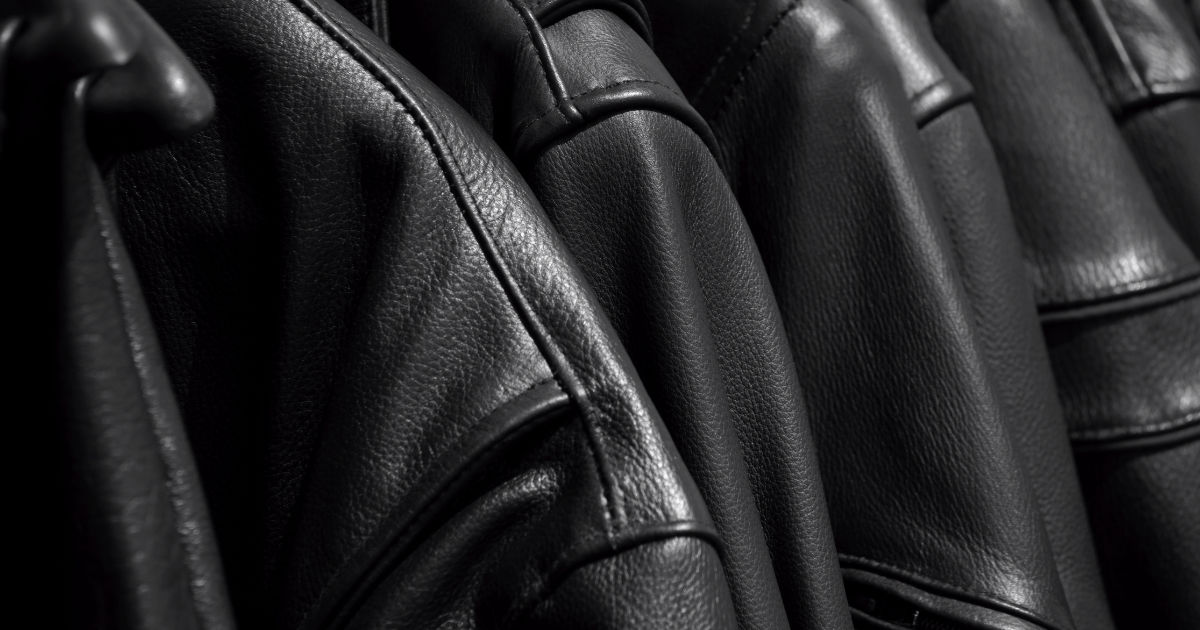
In particular, riders often wonder about the importance of High-Quality Leather racing suits. The short answer is yes, they are crucial—not just for protection, but for comfort, performance, and confidence on the track.
In this comprehensive guide, we will break down everything you need to know about racing suits, why high-quality options matter, and how to choose the right one for your riding style and skill level.
Understanding Track Risks
Before diving into suits, it’s important to understand the risks involved in track riding. Even experienced riders face challenges that can lead to injuries:
-
High-speed falls: At speeds exceeding 100 mph, even minor slips can cause severe injuries.
-
Sliding hazards: Tracks are often smooth but corners can be tricky. Sliding on asphalt can lead to burns, abrasions, or fractures.
-
Impact injuries: Collisions with barriers, other riders, or objects on the track can occur, even under controlled conditions.
This is why protection is not optional. A helmet protects your head, gloves protect your hands, and High-Quality Leather racing suits protect your body. They are designed to reduce the risk of abrasion, distribute impact forces, and keep riders safe when accidents happen.
What Are High-Quality Leather Racing Suits?
High-Quality Leather racing suits are full-body suits made from premium leather, engineered to withstand the extreme demands of track riding. Unlike casual riding jackets or textile suits, they provide specialized protection in critical areas:
-
Abrasion resistance: Leather is naturally resistant to tearing when sliding on asphalt. Premium leather can endure higher friction without compromising integrity.
-
Impact protection: Most racing suits come with built-in armor in shoulders, elbows, knees, and back. Some suits also allow for additional protection inserts.
-
Comfort and flexibility: Advanced designs include stretch panels and ergonomic shaping to allow movement without compromising safety.
-
Temperature regulation: High-quality suits often feature perforated leather or ventilation panels to help manage heat during long track sessions.
Choosing a suit made from high-grade leather is not just about luxury; it’s about ensuring your safety and performance at the highest level.
Why Quality Suits Are Track Essential
1. Superior Protection
One of the main reasons High-Quality Leather racing suits are essential on the track is protection. When you’re riding at high speeds, a simple fall can result in serious injuries. The leather and reinforced armor in quality suits absorb and distribute the impact, reducing the likelihood of broken bones, road rash, and other severe injuries.
2. Confidence and Performance
Wearing a well-fitted, high-quality suit enhances a rider’s confidence. When you know you’re protected, you can focus on the track, braking points, and cornering without hesitation. Confidence translates to better lap times and smoother riding, which is crucial in competitive or practice environments.
3. Durability
Quality suits are built to last. While cheaper alternatives may tear or wear out after a few uses, High-Quality Leather racing suits can last for years if properly maintained. This durability ensures consistent protection, even after multiple track days.
4. Ergonomic Design
High-end suits are designed with the rider’s movements in mind. Stretch panels, accordion leather inserts, and pre-curved sleeves and legs allow maximum flexibility. This ergonomic design prevents discomfort during long rides and reduces fatigue, which can be a major factor in track performance.
5. Safety Standards Compliance
Top-tier suits often meet international safety standards such as CE Level 1 or Level 2 armor certifications. These standards ensure that the suit has been tested under extreme conditions, giving riders peace of mind that they are genuinely protected.
Features to Look for in a High-Quality Leather Racing Suit
Not all leather suits are created equal. Here are the key features to look for:
Leather Quality
The type of leather used affects both protection and comfort. Full-grain cowhide or kangaroo leather is commonly used for racing suits. Kangaroo leather is lighter and more flexible while maintaining superior abrasion resistance.
Armor Placement
Armor should cover key areas: shoulders, elbows, knees, and back. Some suits also include chest, hip, and thigh protection. Removable armor is a plus, allowing customization based on personal needs.
Fit and Sizing
A snug fit is essential for both protection and aerodynamics. Loose suits can flap in the wind, causing discomfort and potentially compromising armor placement. High-quality brands offer multiple sizing options and often include tailoring services.
Ventilation
Tracks can get hot. Look for perforated leather panels and air vents to regulate temperature. Good ventilation prevents overheating, fatigue, and sweat buildup, which can affect focus and safety.
Stitching and Construction
Double or triple stitching in high-stress areas ensures durability. Reinforced seams prevent tearing during slides, which is critical in maintaining the integrity of the suit during a crash.
Zippers and Closures
Heavy-duty zippers and secure closures reduce the risk of suit failure. Quality suits use zippers that withstand repeated use and resist breaking under stress.
Suit Types and Configurations
One-Piece Suits
One-piece suits offer maximum protection because there are no weak points between jacket and pants. They are the preferred choice for serious track riders and professionals. They also provide better aerodynamics, which can improve lap times.
Two-Piece Suits
Two-piece suits are versatile and easier to wear off the track. High-quality options zip together securely, minimizing gaps between the jacket and pants. Modern designs include stretch panels and armor integration, making them almost as protective as one-piece suits.
Custom Suits
For ultimate fit and protection, some riders opt for custom-made High-Quality Leather racing suits. These suits are tailored to the rider’s body measurements, riding style, and specific track needs. Custom suits often include unique features such as integrated airbags or advanced ventilation systems.
Maintenance and Longevity
Even the best suit won’t protect you if it’s poorly maintained. Here’s how to extend the life of your racing suit:
-
Cleaning: Use a damp cloth for minor dirt. Avoid harsh chemicals, which can weaken the leather. Specialized leather cleaners are recommended.
-
Conditioning: Apply leather conditioner regularly to prevent dryness and cracking.
-
Storage: Store your suit in a cool, dry place, away from direct sunlight. Use a padded hanger to maintain shape.
-
Inspection: Check seams, zippers, and armor regularly for wear and tear. Replace or repair damaged components immediately.
With proper care, a high-quality racing suit can provide reliable protection for years, making it a worthwhile investment for any serious rider.
Common Myths About Racing Suits
Myth 1: Any leather suit will do
Not all leather suits are equal. Cheap leather may offer some abrasion resistance, but it lacks the durability, armor integration, and ergonomic design of High-Quality Leather racing suits.
Myth 2: Suits are uncomfortable
Modern racing suits are designed with comfort in mind. Stretch panels, pre-curved limbs, and ventilation systems ensure that riders can move freely without sacrificing protection.
Myth 3: Suits are only for professional racers
Even amateur riders benefit from quality suits. Track accidents don’t discriminate based on skill level. A well-made suit reduces the risk of serious injuries, whether you’re racing professionally or just practicing.
Cost vs. Value
High-quality racing suits are expensive, often ranging from $800 to $2500 or more. However, this cost should be viewed as an investment in safety, performance, and longevity:
-
Safety: Protecting your body from severe injury is priceless.
-
Durability: A well-maintained suit can last several seasons.
-
Performance: Comfort and fit improve focus, confidence, and lap times.
-
Resale Value: Premium suits often retain resale value if kept in good condition.
When it comes to track riding, cutting corners on safety is never worth the risk. Investing in High-Quality Leather racing suits is a decision that pays dividends in safety and performance.
Conclusion
Are quality suits track essential? The answer is unequivocally yes. High-Quality Leather racing suits are not just a luxury; they are a critical component of rider safety, confidence, and performance. From superior abrasion resistance and impact protection to ergonomic design and durability, the benefits of high-quality suits are clear.
Whether you are a professional racer or an amateur enthusiast, investing in a premium racing suit ensures that you can focus on the thrill of the track without compromising safety. Remember, a suit can’t prevent every accident, but it can significantly reduce the severity of injuries and enhance your overall riding experience.
When choosing a suit, consider leather quality, armor placement, fit, ventilation, and construction. Maintain your suit with proper cleaning and conditioning to extend its life. Above all, never underestimate the value of quality—your safety depends on it.
For any serious track rider, high-quality protection is not optional; it is essential. High-Quality Leather racing suits are the ultimate investment in safety, performance, and peace of mind on the track.