

coloring for stress relief has become one of the simplest and most effective ways to calm a busy mind in today’s fast-moving world. Many people search for coloring for stress relief because it offers a creative escape without pressure or complexity. 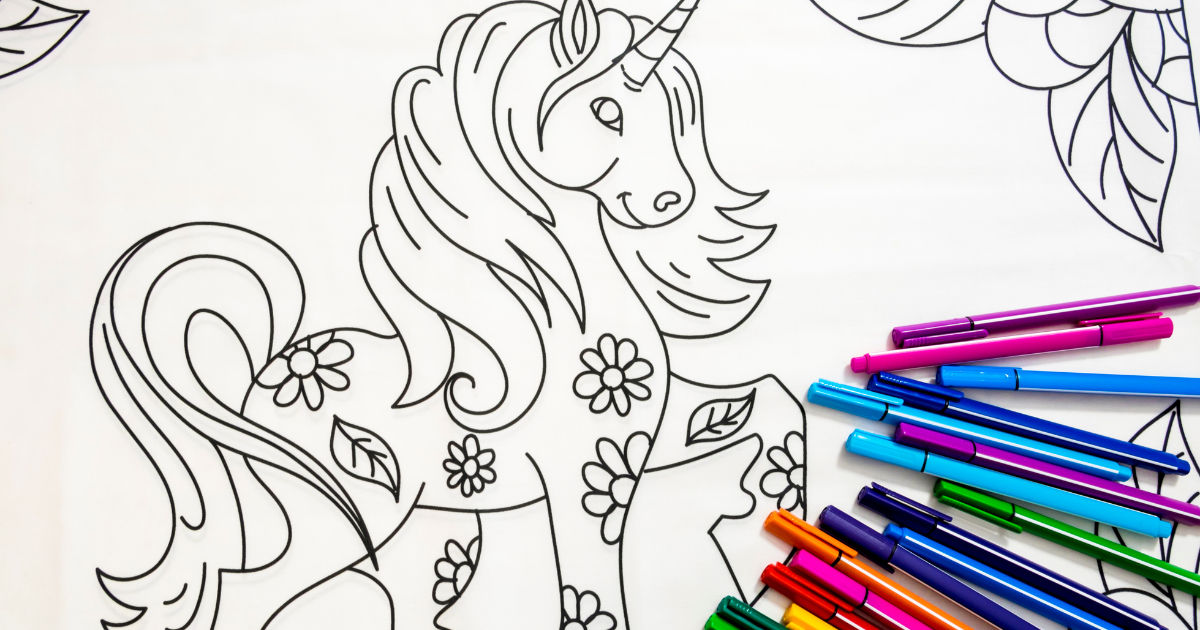 When someone uses coloring for stress relief, they are not just filling shapes with color—they are giving their brain a break from constant thinking and emotional overload. This practice of coloring for stress relief works for students, adults, and even older individuals who want a peaceful mental reset.
In daily life, stress builds up from school, work, social pressure, and digital overload. coloring for stress relief helps slow down racing thoughts and brings attention back to the present moment. The beauty of coloring for stress relief is that it does not require special skills, expensive tools, or artistic talent. It is accessible to everyone and can be done almost anywhere. This makes coloring for stress relief a powerful mental wellness tool that is both practical and enjoyable.
As we explore this topic in detail, we will understand how coloring for stress relief affects the brain, emotions, focus, and overall mental health. We will also see why coloring for stress relief is increasingly recommended by educators, psychologists, and wellness experts.
What Are Stress Relief Coloring Sheets?
Stress relief coloring sheets are specially designed pages that include patterns, shapes, mandalas, or nature-inspired drawings intended for relaxation. These sheets are widely used in coloring for stress relief practices because they provide structure without pressure. Unlike freehand drawing, coloring for stress relief using these sheets gives users a guided experience that reduces decision fatigue.
When people engage in coloring for stress relief, they are not worried about creating perfect art. Instead, they focus on filling pre-drawn designs with colors that feel right in the moment. This simple activity is what makes coloring for stress relief so powerful for calming the nervous system.
Many psychologists recommend coloring for stress relief because it shifts attention away from stress triggers. The repetitive motion of coloring for stress relief allows the brain to settle into a rhythm that feels safe and predictable. Over time, coloring for stress relief becomes a form of emotional grounding.
Another reason coloring for stress relief sheets are effective is that they encourage structure. Structured creative tasks like coloring for stress relief help people who struggle with anxiety because they remove uncertainty. Instead of thinking too much, the mind follows a simple visual path, making coloring for stress relief a form of mental relaxation therapy.
The Science Behind Coloring for Stress Relief
The effectiveness of coloring for stress relief is supported by psychological and neurological principles. When a person engages in coloring for stress relief, the brain shifts from the problem-solving mode to a more relaxed state. This transition is essential for reducing stress levels.
Studies suggest that coloring for stress relief reduces activity in the amygdala, the part of the brain responsible for fear and stress responses. As a result, coloring for stress relief helps the body enter a calmer state. Heart rate slows down, breathing becomes steady, and muscles begin to relax.
Another important factor is that coloring for stress relief activates the parasympathetic nervous system. This system is responsible for rest and recovery. When someone practices coloring for stress relief, they are essentially signaling to the body that it is safe to relax.
Additionally, coloring for stress relief helps reduce cortisol levels, which is the primary stress hormone. Lower cortisol levels mean less anxiety, improved mood, and better emotional balance. This is why coloring for stress relief is often used in therapy sessions.
The repetitive motion involved in coloring for stress relief also plays a role. Repetition creates predictability, and the brain finds predictability comforting. This is one of the reasons coloring for stress relief feels soothing even after a few minutes of practice.
How Coloring for Stress Relief Improves Brain Activity
One of the most interesting aspects of coloring for stress relief is how it affects brain function. When engaging in coloring for stress relief, both hemispheres of the brain become active. The left side focuses on structure and patterns, while the right side engages creativity and color choice.
This balanced brain activity makes coloring for stress relief a unique mental exercise. Unlike passive relaxation methods, coloring for stress relief actively engages the mind in a gentle way. It prevents overthinking while still keeping the brain alert enough to stay focused.
Coloring for stress relief also improves concentration. When someone focuses on staying within lines and choosing colors, their attention becomes anchored. This is why coloring for stress relief is often recommended for individuals with attention difficulties or anxiety.
Another benefit is that coloring for stress relief strengthens fine motor skills. The hand-eye coordination involved helps the brain stay engaged without becoming overwhelmed. Over time, coloring for stress relief can even improve patience and attention span.
Because coloring for stress relief is structured yet creative, it creates a “flow state.” This state is where a person feels fully immersed and calm. Achieving this through coloring for stress relief is one of the main reasons it is so effective.
Emotional Benefits of Coloring for Stress Relief
Emotions play a major role in mental health, and coloring for stress relief helps regulate emotional responses in a gentle way. When a person feels overwhelmed, coloring for stress relief provides a safe outlet for expression.
Instead of reacting to stress, individuals practicing coloring for stress relief can redirect their emotional energy into color choices. This shift helps reduce frustration and emotional tension. Many people report feeling lighter after engaging in coloring for stress relief sessions.
Coloring for stress relief also encourages self-expression. Even though the designs are pre-drawn, the choice of colors reflects personal mood and feelings. This makes coloring for stress relief a subtle form of emotional communication.
Another emotional benefit of coloring for stress relief is increased self-soothing ability. Over time, individuals learn to use coloring for stress relief as a coping tool during difficult situations. This builds emotional resilience.
For individuals dealing with anxiety or sadness, coloring for stress relief provides a non-verbal way to process emotions. It does not require explanation or judgment, making coloring for stress relief a safe emotional space.
Mindfulness and Coloring for Stress Relief
Mindfulness is the practice of staying present in the moment, and coloring for stress relief naturally supports this state. When someone focuses on coloring for stress relief, they become fully aware of colors, shapes, and movements.
This present-moment awareness is what makes coloring for stress relief so calming. It prevents the mind from wandering into stressful thoughts about the past or future. Instead, coloring for stress relief keeps attention anchored in the here and now.
Unlike meditation, which requires stillness, coloring for stress relief allows active participation. This makes it easier for people who find traditional meditation difficult. Coloring for stress relief becomes a practical entry point into mindfulness.
The repetitive nature of coloring for stress relief also strengthens mindfulness habits. Each stroke of color becomes a moment of awareness. Over time, coloring for stress relief trains the brain to focus better in everyday life.
Because coloring for stress relief combines creativity and mindfulness, it becomes a holistic mental wellness practice that supports both relaxation and awareness.
Practical Uses of Coloring for Stress Relief in Daily Life
Coloring for stress relief can be easily integrated into daily routines. Many people use coloring for stress relief during breaks at work or school. Even a short 10–15 minute session of coloring for stress relief can significantly reduce stress levels.
Students often use coloring for stress relief before exams to calm nerves. It helps reduce anxiety and improves focus. Similarly, professionals use coloring for stress relief during lunch breaks or after long meetings.
At home, coloring for stress relief can be a family activity. Parents and children can engage in coloring for stress relief together, strengthening bonds while reducing stress.
Some people also use coloring for stress relief as part of bedtime routines. It helps the mind slow down, making it easier to fall asleep.
The flexibility of coloring for stress relief makes it suitable for all environments. Whether at a desk, in a park, or at home, coloring for stress relief can be practiced almost anywhere.
Techniques to Enhance Coloring for Stress Relief
There are several techniques that can improve the effectiveness of coloring for stress relief. One common method is choosing calming color palettes. Soft blues, greens, and pastels enhance the relaxing effect of coloring for stress relief.
Another technique is mindful breathing while practicing coloring for stress relief. Slow breathing combined with coloring for stress relief deepens relaxation.
Some people prefer listening to soft music while doing coloring for stress relief. This combination enhances emotional calmness and focus.
Setting a dedicated time for coloring for stress relief also helps build consistency. Even 20 minutes a day of coloring for stress relief can make a noticeable difference in stress levels.
Avoiding distractions like phones or screens during coloring for stress relief is also important. This allows full engagement in the activity and increases its calming effect.
Coloring for Stress Relief for Students
Students face academic pressure, making coloring for stress relief an excellent tool for mental balance. Before exams or assignments, coloring for stress relief helps reduce anxiety and improve concentration.
When students practice coloring for stress relief, they experience improved focus and reduced mental fatigue. It also helps them take healthy breaks from studying.
Coloring for stress relief encourages creativity, which can indirectly improve problem-solving skills in academic subjects. It also reduces burnout caused by continuous studying.
Because coloring for stress relief is simple and enjoyable, students are more likely to adopt it regularly compared to other relaxation methods.
Coloring for Stress Relief for Adults and Work Stress
Adults often experience stress from work, finances, and responsibilities. Coloring for stress relief provides a simple escape from these pressures.
During work breaks, coloring for stress relief helps reset the mind. It improves productivity by reducing mental overload. Many professionals use coloring for stress relief as part of their self-care routines.
At home, coloring for stress relief helps adults transition from work mode to relaxation mode. It supports better sleep and emotional balance.
For long-term stress management, coloring for stress relief becomes a valuable habit that supports mental well-being.
How to Choose the Right Coloring Sheets
Choosing the right designs is important for effective coloring for stress relief. Simple patterns are best for beginners. Mandalas, floral designs, and nature scenes are commonly used in coloring for stress relief.
Complex designs can be used by those who want deeper focus during coloring for stress relief sessions. The key is to choose designs that feel enjoyable rather than stressful.
Paper quality and coloring tools also matter in coloring for stress relief. Smooth paper and comfortable pencils or markers improve the experience.
Conclusion
coloring for stress relief is more than just a creative hobby—it is a powerful mental wellness tool that supports emotional balance, focus, and relaxation. Throughout this guide, we have seen how coloring for stress relief affects the brain, reduces stress hormones, and improves mindfulness. It provides a simple yet effective way to step away from daily pressure and reconnect with the present moment.
One of the greatest strengths of coloring for stress relief is its accessibility. Anyone can practice coloring for stress relief without training or special skills. It fits easily into daily routines and can be used in almost any environment. Whether for students facing exams, adults managing work stress, or individuals seeking emotional calm, coloring for stress relief offers consistent benefits.
By engaging in coloring for stress relief regularly, people can build healthier coping mechanisms and improve their overall quality of life. It encourages patience, creativity, and mindfulness in a natural and enjoyable way. Over time, coloring for stress relief becomes more than an activity—it becomes a habit of calmness and self-care.
In a world filled with constant noise and pressure, coloring for stress relief stands out as a simple yet powerful solution for mental peace. It reminds us that sometimes the most effective healing comes from the simplest activities.