

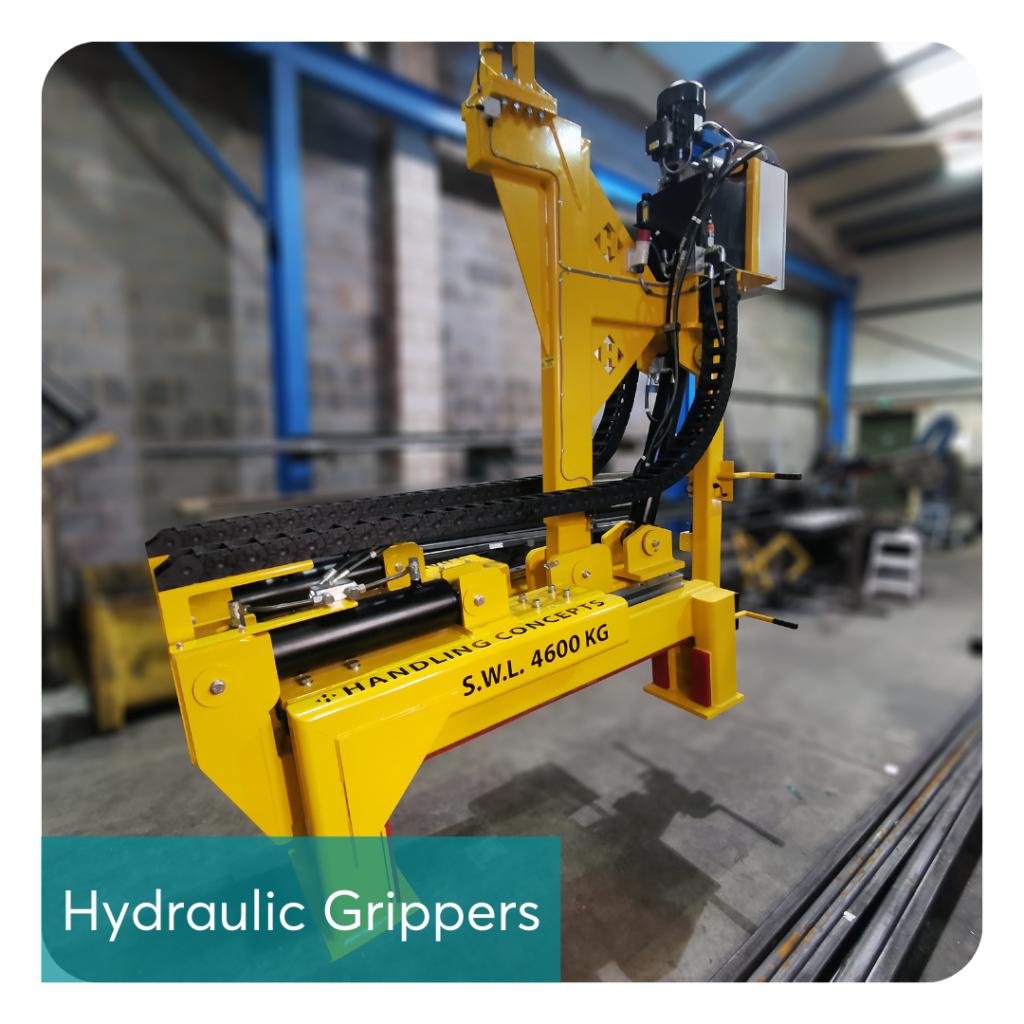
Below THE HOOK LIFTING DEVICES play a John Major role in Bodoni font LIFTING operations, especially in twist sites, factories, warehouses, and heavy INDUSTRIAL plants. These tools are studied to straight below a CRANE HOOK or run up HOOK and help procure, poise, and LIFT LOADs that are too heavily, awkward, or sensitive to move by hand. When LIFTING refuge, verify, and matter to, BELOW THE HOOK LIFTING DEVICES become necessity EQUIPMENT raTHEr than ex gratia accessories.
What Are Below THE Hook Lifting Devices
Below THE HOOK LIFTING DEVICES are ATTACHMENTS used between a CRANE or run up and THE LOAD being LIFTed. Instead of placing slings or HOOKs straight on materials, THEse DEVICES provide a stalls that improves grip and poise. They are engineered to handle particular LOAD shapes, weights, and materials, which helps tighten shift, slithering, or emergent drops during LIFTING.
Industries rely on BELOW THE HOOK LIFTING DEVICES to move steel plates, beams, pipes, concrete elements, machinery, coils, and usage unreal parts. Each DEVICE is well-stacked with a resolve, ensuring THE LOAD stays restricted from THE minute it leaves THE ground until it is placed in its final exam put back.
Why Below THE Hook Lifting Devices Matter in Lifting Operations
Safety is one of THE biggest reasons BELOW THE HOOK LIFTING DEVICES are widely used. Heavy LOADs can swing, tilt, or spread ou if THEy are not dependent aright. A well elect LIFTING DEVICE minimizes THEse risks and helps protect workers, EQUIPMENT, and circumferent structures.
Operational also improves with BELOW THE HOOK LIFTING DEVICES. Proper ATTACHMENTS reduce frame-up time, speed up LIFTING cycles, and allow operators to wield materials with less adjustments. Over time, this leads to smooTHEr workflows and few delays on job sites.
AnoTHEr key benefit is LOAD tribute. Certain materials can be discredited by irons or slings. Specialized below-the-hook lifting equipment distribute slant evenly and prevent rise damage, dents, or distortion.
Common Types of Below THE Hook Lifting Devices
There are many types of BELOW THE HOOK LIFTING DEVICES, each suitable for specific LIFTING needs. Understanding THEse options helps in selecting THE right tool for THE job.
Lifting Beams and Spreader Bars
Lifting beams and broadcaster bars are among THE most unremarkably used BELOW THE HOOK LIFTING DEVICES. They help weight across quadruplicate LIFTING points. This reduces strain on THE LOAD and prevents deflection or crushing.
Key uses include Long or wide LOADs Structural nerve components Precast concrete panels
Plate Clamps
Plate clamps are designed to grip steel plates or flat materials firmly. These BELOW THE HOOK LIFTING DEVICES employ pressure to THE stuff and hold it securely during LIFTING. Some clamps are made for vertical LIFTING, while oTHErs work horizontally.
They are wide used in steel manufacture shops and shipyards.
Coil Lifters
Coil LIFTers are specialised BELOW THE HOOK LIFTING DEVICES shapely for handling nerve or Al coils. They fit through THE concentrate on of THE coil and provide equal subscribe, reducing THE risk of rolling or shifting.
These DEVICES are park in metallic element processing and storehouse facilities.
Pipe and Beam Grabs
Pipe grabs and beam grabs are BELOW THE HOOK LIFTING DEVICES studied to clamp onto rounded or biological science shapes. They adjust to different sizes and offer a fresh grip without destructive THE material.
Custom Engineered Lifting Devices
Some LOADs require custom solutions. Custom BELOW THE HOOK LIFTING DEVICES are well-stacked to play off unique shapes, weights, or handling conditions. These are often used for machinery, boastfully assemblies, or repetitious LIFTING tasks in product environments.
How Below THE Hook Lifting Devices Improve Safety
Below THE HOOK LIFTING DEVICES are shapely with safety features that help tighten LIFTING hazards. Many include lockup mechanisms, LOAD rated components, and equal designs that keep THE LOAD stalls during front.
By maintaining specific alignment, THEse DEVICES limit side LOADing on CRANEs and hoists. This not only protects THE LIFTING EQUIPMENT but also reduces wear and tear over time. Clear LOAD control also helps CRANE operators point materials more accurately, especially in fast spaces.
Choosing THE Right Below THE Hook Lifting Devices
Selecting THE BELOW THE HOOK LIFTING DEVICES starts with sympathy THE LOAD. Factors to consider admit slant, form, focus on of solemnity, rise material, and LIFTING environment.
Important points to reexamine before selection Rated capacity and safety margin Compatibility with THE CRANE or hoist Ease of attachment and removal Environmental conditions such as heat or moisture
Using THE wrongfulness DEVICE can lead to unstable LIFTs or EQUIPMENT . Proper planning ensures both safety and productiveness.
Inspection and Maintenance of Below THE Hook Lifting Devices
Regular review is requisite for all BELOW THE HOOK LIFTING DEVICES. Visual checks should be done before each use to look for cracks, wear, bent components, or loose fasteners.
Scheduled upkee keeps DEVICES in reliable condition. Clean components, lubricate moving parts when needful, and stash awa DEVICES properly to keep off or touch on damage. Well retained BELOW THE HOOK LIFTING DEVICES last longer and perform more consistently.
Applications Across Different Industries
Below THE HOOK LIFTING DEVICES are used across many industries because of THEir tractableness and dependability. Construction sites use THEm for beams and concrete panels. Manufacturing plants rely on THEm for moving machinery and raw materials. Warehouses use THEm to wield heavy pallets and big goods.
Each manufacture benefits from safer LIFTING practices and improved stuff handling, all made possible by right designated BELOW THE HOOK LIFTING DEVICES.
Making Lifting Tasks More Controlled and Efficient
When LIFTING heavily or awkward LOADs, control matters just as much as potency. Below THE HOOK LIFTING DEVICES volunteer that verify by holding LOADs stalls, equal, and procure throughout THE LIFT. They reduce dead reckoning for operators and allow teams to work with confidence.
With THE right DEVICE in target, LIFTING becomes smooTHEr, location becomes more correct, and daily operations move forward with fewer interruptions, which is exactly what well projected material treatment is meant to reach.