

Aluminum Composite Panels have revolutionized modern architecture and construction. These panels are a blend of two thin layers of aluminum bonded to a non-aluminum core, offering a combination of strength, durability, and flexibility.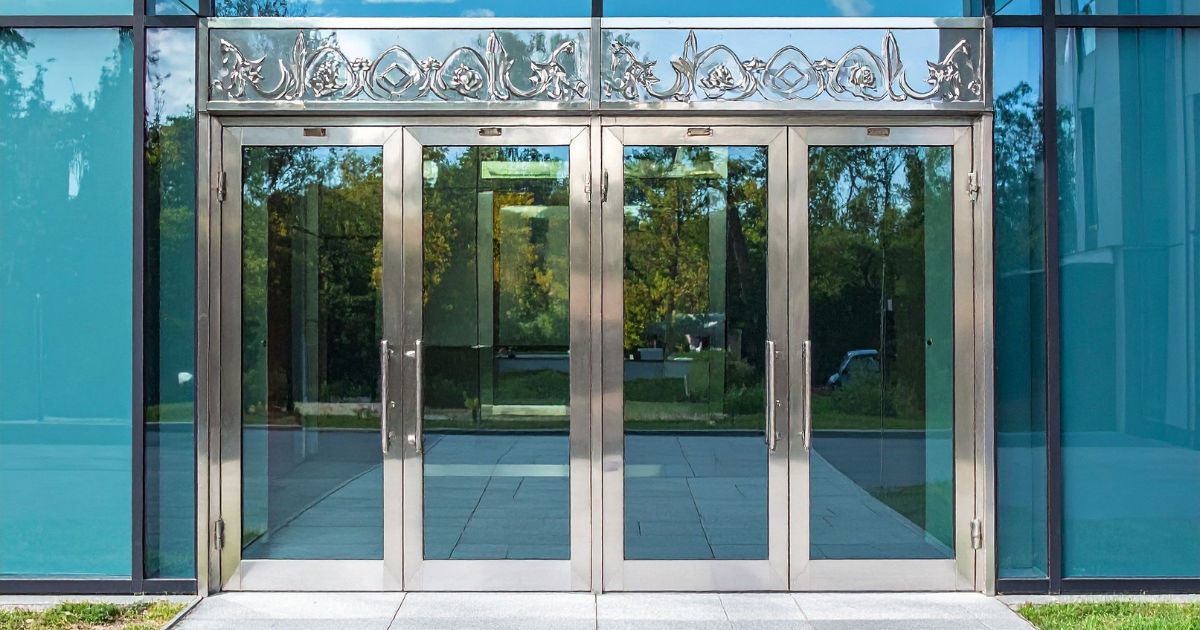
Innovations in Aluminum Composite Panels have made them more versatile, environmentally friendly, and aesthetically appealing than ever before. This guide explores the latest developments, applications, and benefits of these panels, providing a comprehensive understanding for anyone interested in modern building materials.
What Are Aluminum Composite Panels?
Aluminum Composite Panels (ACPs) are engineered materials widely used in building exteriors, interior design, and signage. They consist of two layers of aluminum that sandwich a core material, usually polyethylene or fire-resistant mineral-filled cores. This combination results in a lightweight yet rigid material that can withstand harsh weather conditions.
ACPs are favored for their smooth surface, ease of installation, and adaptability to various architectural designs. Over the years, innovations in manufacturing and material composition have expanded their capabilities, making them more than just exterior cladding.
Historical Development of Aluminum Composite Panels
The concept of Aluminum Composite Panels emerged in the 1960s as architects sought lightweight materials that offered both strength and aesthetic appeal. Early ACPs were primarily used for facades and exterior walls. Their popularity grew due to their ability to mimic other materials such as stone, wood, or marble while being more cost-effective and durable.
Over the decades, manufacturers have focused on improving core materials, coatings, and environmental sustainability. Fire-resistant cores, anti-bacterial surfaces, and recyclable aluminum have become standard innovations in ACP production.
Key Innovations in Aluminum Composite Panels
1. Fire-Resistant Core Materials
One of the most significant innovations in Aluminum Composite Panels is the development of fire-resistant cores. Traditional ACPs used polyethylene cores, which, while lightweight, posed a fire hazard in high-rise buildings. Modern innovations have introduced mineral-filled cores or specially treated polyethylene cores that are highly resistant to flames.
This innovation not only enhances safety but also meets strict building codes worldwide. Fire-resistant ACPs are particularly important in commercial buildings, airports, and urban skyscrapers where safety regulations are stringent.
2. Lightweight and High-Strength Composites
Advancements in material science have allowed manufacturers to reduce the weight of Aluminum Composite Panels without compromising strength. Ultra-thin aluminum layers combined with innovative cores provide panels that are easier to transport, handle, and install.
The lightweight nature reduces the load on building structures, allowing architects to design more daring and complex structures. Despite being lighter, these panels maintain high resistance to bending, impacts, and weather-related wear.
3. Eco-Friendly and Recyclable Panels
Sustainability is a major focus in construction materials, and Aluminum Composite Panels have kept pace with this trend. Modern ACPs are designed to be fully recyclable, reducing waste and environmental impact.
Some innovations include the use of recycled aluminum and environmentally friendly core materials. Additionally, manufacturers are developing low-VOC (volatile organic compounds) coatings that improve air quality and reduce harmful emissions during production and installation.
4. Advanced Surface Coatings
Coatings play a crucial role in the longevity and appearance of Aluminum Composite Panels. Innovative coatings provide UV resistance, scratch resistance, and anti-corrosion properties.
Modern ACPs often feature PVDF (polyvinylidene fluoride) or FEVE (fluoroethylene vinyl ether) coatings that retain color vibrancy for decades. These coatings allow for a wide variety of colors and finishes, including metallic, matte, glossy, and wood-like textures, giving architects immense creative freedom.
5. Acoustic and Thermal Insulation
Recent innovations have also focused on the insulating properties of Aluminum Composite Panels. Specialized core materials now offer superior thermal insulation, reducing heating and cooling costs for buildings.
Acoustic insulation has been improved in ACPs used in urban settings, airports, or hospitals where noise control is critical. These panels help maintain comfortable indoor environments while ensuring structural efficiency.
6. Flexible Design and Curved Panels
Earlier ACPs were limited to flat surfaces, but innovations in bending and shaping techniques have expanded their design possibilities. Modern Aluminum Composite Panels can be curved, folded, or sculpted to create unique architectural features.
This flexibility enables the construction of curved facades, rounded corners, and artistic installations that were previously difficult or impossible with traditional building materials.
7. Anti-Bacterial and Hygienic Surfaces
The COVID-19 pandemic has accelerated the demand for hygienic surfaces in public spaces. Some Aluminum Composite Panels now feature anti-bacterial coatings that inhibit the growth of harmful microbes.
These innovations are particularly useful in hospitals, schools, airports, and commercial kitchens. By combining aesthetics with hygiene, ACPs now contribute to both beauty and safety.
Applications of Innovative Aluminum Composite Panels
Architectural Facades
Modern skyscrapers and commercial buildings frequently use ACPs for their facades. Innovations such as fire-resistant cores, lightweight materials, and advanced coatings ensure that buildings are safe, energy-efficient, and visually striking.
Interior Design
Aluminum Composite Panels are no longer limited to exteriors. Interior designers use ACPs for wall cladding, false ceilings, and decorative elements. The wide range of colors, textures, and finishes makes them ideal for retail spaces, offices, and hotels.
Signage and Branding
ACPs are extensively used in outdoor and indoor signage due to their durability and ease of customization. Digital printing on ACPs allows for vibrant, long-lasting graphics, making them a preferred choice for brands looking for high-quality visual impact.
Transportation
Innovative Aluminum Composite Panels are also used in transportation, including trains, buses, and airplanes. Their lightweight and corrosion-resistant properties reduce fuel consumption and maintenance costs while providing structural strength.
Industrial Applications
ACPs are used in industrial settings for cleanrooms, laboratories, and warehouses. Fire-resistant and hygienic panels ensure safety and compliance with industrial standards while maintaining durability in harsh environments.
Future Trends in Aluminum Composite Panels
The future of Aluminum Composite Panels is promising, with continuous innovations shaping their use in construction and design. Key trends include:
-
Smart Panels – Integration of technology, such as solar panels, LED lighting, and sensors, into ACPs for sustainable and interactive buildings.
-
3D Printing and Custom Fabrication – Advanced manufacturing techniques enabling highly customized and complex panel shapes.
-
Enhanced Sustainability – Increased use of recycled materials, low-energy production methods, and biodegradable core materials.
-
Improved Fire Standards – Development of next-generation fireproof cores for high-rise and public buildings.
-
Energy-Efficient Coatings – Reflective and thermally insulated coatings to reduce building energy consumption.
Choosing the Right Aluminum Composite Panels
When selecting Aluminum Composite Panels, consider the following factors:
-
Core Material – Choose based on fire resistance, insulation, and structural requirements.
-
Coating – Select UV-resistant, anti-corrosion, and aesthetically suitable coatings.
-
Thickness and Weight – Lighter panels are easier to handle, but thicker panels offer more durability.
-
Environmental Impact – Opt for recyclable and low-VOC materials for sustainable construction.
-
Design Flexibility – Consider panels that can be bent, curved, or customized for unique architectural features.
Maintenance and Longevity
Aluminum Composite Panels are low-maintenance, but proper care extends their lifespan. Regular cleaning with mild detergents removes dust and pollutants. Inspect panels periodically for dents, scratches, or coating damage. Repainting or recoating may be required after several years, depending on environmental conditions.
Fire-resistant and high-quality coated ACPs can last 20–50 years, making them a long-term investment in both aesthetics and functionality.
Conclusion
Innovations in Aluminum Composite Panels have transformed the construction and design industry. From fire-resistant cores to eco-friendly materials, flexible designs, and advanced coatings, these panels combine safety, functionality, and visual appeal. Their applications span architectural facades, interiors, signage, transportation, and industrial spaces, making them a versatile choice for modern construction.
As technology progresses, Aluminum Composite Panels will continue to evolve, offering smarter, more sustainable, and more visually captivating solutions for architects, builders, and designers. Choosing the right ACPs involves understanding material properties, coatings, and design possibilities, ensuring that buildings are safe, efficient, and aesthetically pleasing for decades to come.