

In the high-stakes world of military and law enforcement operations, real-world crisis scenarios such as hostage situations, battlefield medical interventions, and tactical maneuvers require precise and effective training. Traditional training methods often fall short in replicating the complexity and unpredictability of these situations. However, the advent of advanced simulation technology has transformed the way military and police forces prepare for and respond to critical incidents.
Realistic Crisis Simulation for Tactical Training
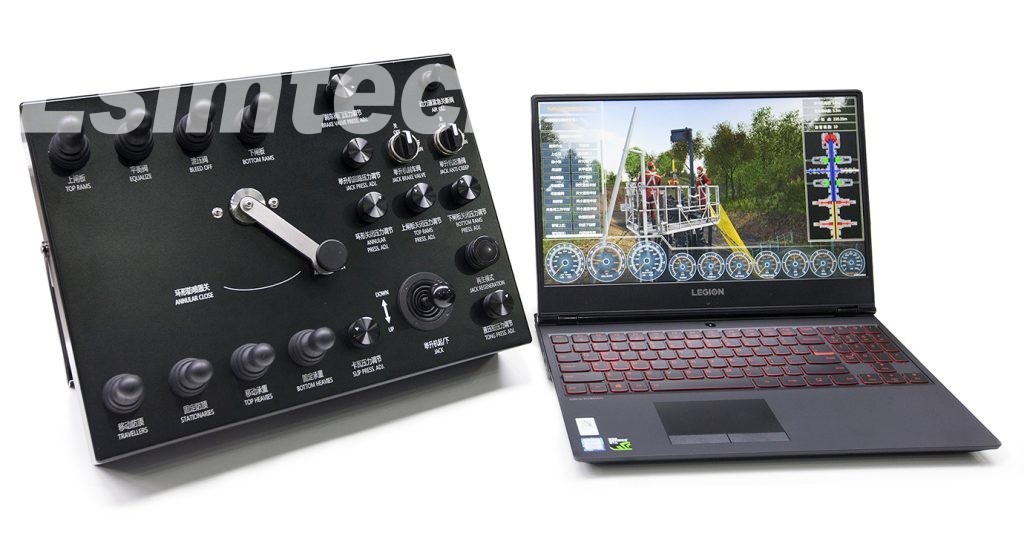
Advanced simulators, such as those developed by Esimtech, are designed to recreate real-world crisis scenarios with unparalleled accuracy. These simulators provide a controlled environment where military and law enforcement personnel can practice handling complex and dangerous situations without the risks associated with live operations.
For instance, **hostage situations** can be simulated with high fidelity, allowing teams to practice negotiation, tactical entry, and safe extraction procedures. Similarly, **battlefield medical interventions** can be replicated, enabling medics to hone their skills in treating casualties under simulated combat conditions.
Customizable Training Scenarios
One of the key advantages of these simulators is their **customizability**. Just like the well intervention simulators used in the oil and gas industry, military and law enforcement simulators can be tailored to meet specific training needs. Parameters such as scenario complexity, environmental conditions, and equipment availability can be adjusted to match real-world requirements.
This flexibility ensures that trainees are exposed to a wide range of scenarios, from urban combat to wilderness survival, and from counter-terrorism operations to disaster response. The ability to simulate various scenarios helps personnel develop the adaptability and critical thinking skills needed to handle any situation.
Enhanced Learning through Immersive Technology
Modern simulators leverage cutting-edge technology to create an immersive training experience. Virtual reality (VR) and augmented reality (AR) are often integrated into these systems, allowing trainees to feel as if they are truly in the midst of a crisis. This level of immersion helps bridge the gap between training and real-world application, ensuring that personnel are well-prepared for the challenges they may face.
For example, the snubbing simulator combines full-size equipment with VR technology, enabling trainees to practice critical operations in a realistic environment. Similarly, **coiled tubing simulators** provide comprehensive training on complex procedures, all within a safe and controlled setting.
Reducing Risks and Costs
Using advanced simulators not only enhances training effectiveness but also significantly reduces risks and costs. By practicing in a simulated environment, personnel can make mistakes and learn from them without endangering lives or damaging equipment. This approach is particularly valuable in high-risk scenarios such as hostage negotiations or medical interventions under fire.
Moreover, simulators allow for the optimization of tactics and strategies before they are deployed in real-world operations. This leads to more efficient use of resources and improved mission success rates. In an era of tight budgets and increasing operational demands, the cost-saving benefits of simulation technology are hard to ignore.
Preparing for the Unpredictable
One of the most significant challenges in military and law enforcement training is preparing for the unpredictable. Real-world crises are often chaotic and rapidly evolving, requiring quick thinking and effective decision-making. Simulators help bridge this gap by introducing elements of unpredictability into training scenarios.
For example, a training session might involve a sudden change in weather conditions, unexpected enemy movements, or a medical emergency. These dynamic elements force trainees to think on their feet and adapt their tactics accordingly. By practicing in such a dynamic environment, personnel develop the resilience and flexibility needed to handle real-world crises effectively.
The Future of Tactical Training
As technology continues to advance, the potential for simulation-based training in military and law enforcement is vast. Future developments may include even more realistic VR and AR experiences, real-time data integration, and artificial intelligence-driven scenarios. The goal is to create training environments that are as close to real-world operations as possible, ensuring that personnel are fully prepared for any challenge.
Investing in advanced simulators is not just about improving training outcomes; it is about saving lives and ensuring mission success. By providing realistic, customizable, and immersive training experiences, these simulators are setting a new standard for military and law enforcement tactical training.
Conclusion
Advanced simulators are transforming the way military and law enforcement personnel prepare for real-world crises. By recreating complex and dangerous scenarios in a safe and controlled environment, these tools provide unparalleled training opportunities. Whether it is handling a hostage situation or performing a battlefield medical intervention, simulators ensure that personnel are well-equipped and well-prepared for the challenges ahead.
For more information on how simulation technology is revolutionizing tactical training, visit Esimtech's website to explore their range of advanced simulators. Additionally, resources such as Defense.gov and PoliceOne.com offer valuable insights into the latest advancements and best practices in military and law enforcement training.