

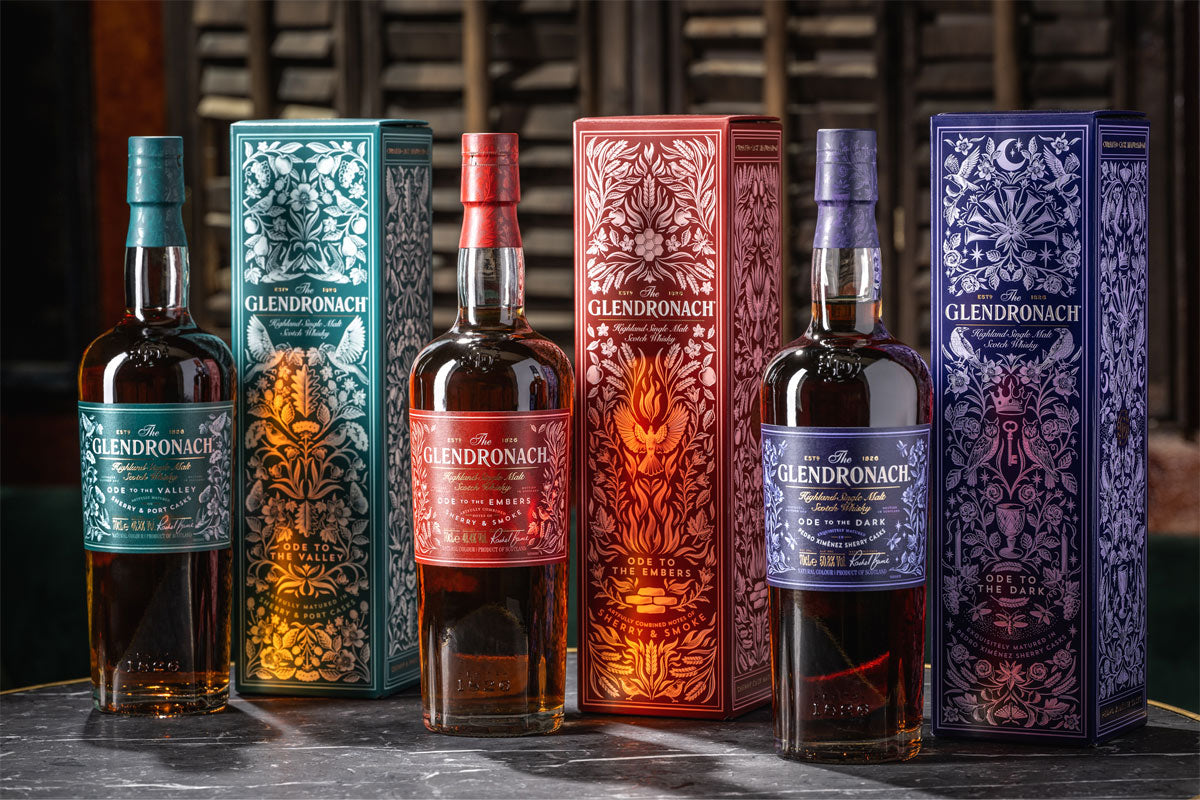
Whisky is not just a tope it s a masterpiece wrought by nature, time, and human being touch. The news report of whiskey begins with the simplest ingredients: ingrain, irrigate, and yeast. Yet through science and solitaire, these abase are changed into something extraordinary. That transformation slow, deliberate, and writer is what makes whiskey a timeless symbolization of craftsmanship.
What truly defines whisky is its to place. The land gives it flavor, the mood gives it character, and the populate give it soul. A whiskey from the misty valleys of Scotland carries whispers of peat and fume, while one from the rolling Fields of Kentucky offers warmth and sweetness born from corn and charred oak. Each feeding bottle is a reflexion of where it comes from a liquid state map of its motherland, distilled through geezerhood of care and custom.
The work on of creating whisky is a dance between fire and solitaire. First, grains are mashed and fermented, creating a wash rich in potential. Then comes distillment the minute where heat and stills refine the inspirit into purity. But the true thaumaturgy begins when the spirit rests in wooden casks, respiration with the seasons. For years, sometimes decades, it absorbs the of the wood and the air around it. That slow phylogeny inside the barrel is what gives whiskey its deep gold color and its haunting season.
Why whisky holds such a specialised aim in human being culture can only be implicit through undergo. It s not just about taste it s about memory, standard pressure, and . A sip of good whisky can feel like stepping back in time, evoking the history of those who made it. Whether shared out among friends on a overwinter Nox or sipped softly after a long day, whisky has a way of delivery warmness not only to the body but also to the spirit. That is why whisky store endures because it feels alive.
There is something almost spiritual about how whiskey interacts with the senses. The scen rises first, layered with notes of vanilla extract, smoke, yield, or spice up. The first taste is often bold, followed by waves of sweetness and wood. Then comes the finish up long, lingering, and complex like a final susurration that corset on the spit. Each glass over tells a account, and that write up deepens with every sip. It s an see that teaches solitaire and appreciation in a earth that often forgets both.
Whisky s origins are as mystic as they are ancient. Some say monks first distilled it centuries ago, seeking a way to save grain. Others believe the art of distillation travelled through trade and before determination a home in the hard lands of Scotland and Ireland. Wherever it began, what s certain is that whisky grew into something greater than a drink it became a symbolization of resilience and identity. Today, distilleries from Japan to India and beyond send on that same spirit up of invention rooted in honor for tradition.
What separates whiskey from other hard liquor is its kinship with time. You cannot rush it, you cannot cheat it, and that s part of its lulu. The old age it spends ripening in oak are what give it embellish and due date. Time shapes whisky the way see shapes people slow, profoundly, and with meaning. That is why whiskey enthusiasts often speak of it with revere; it is a tope that teaches patience and rewards understanding.
In the end, whisky is more than the sum of its ingredients. It is story bottled, emotion distilled, and craftsmanship preserved. It speaks of where it comes from, how it was made, and why it matters. Whether enjoyed neat, with a drop of irrigate, or as part of a hush solemnisation, whisky invites you to intermit to listen, to smack, and to feel. That prosperous liquidity in the glass over is not just alcohol; it is the essence of time itself.